
Taiz Rehabilitation Center Aids 674 People With Prosthetics and Therapy
 Yemen Herald News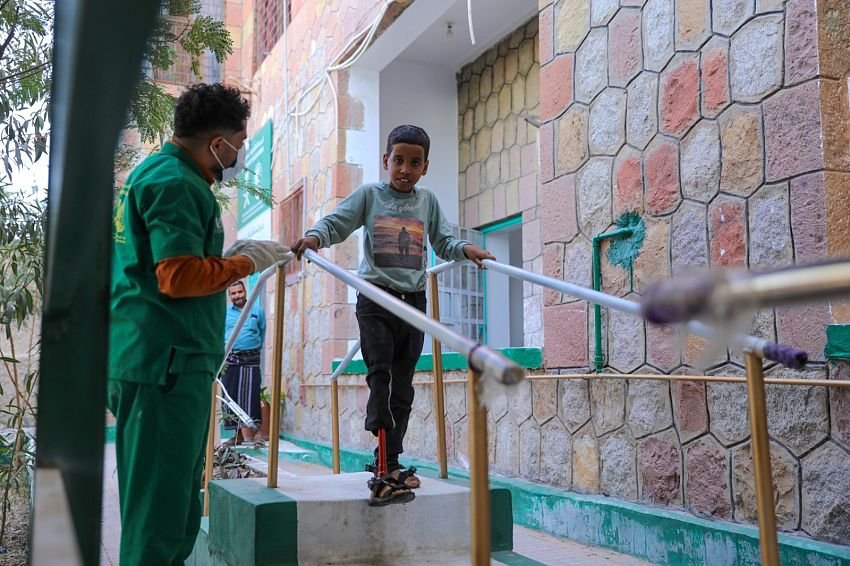
The Prosthetics and Rehabilitation Center in Yemen’s Taiz governorate has reported a busy month of activity in February, providing essential medical and rehabilitation services to 674 beneficiaries. The centre delivered a total of 2,174 specialised services during the period, including the fitting of prosthetics, physical therapy sessions and a range of technical and medical consultations for people in need of care.
The work was funded by the King Salman Humanitarian Aid and Relief Center and carried out by the International Association for the Care of War and Disaster Victims. The collaboration is aimed at improving the quality of life for individuals requiring rehabilitation services in the region, where the needs generated by years of conflict remain extensive and pressing.
According to a statistical report shared by the centre with the Yemen News Agency, the services provided in February formed part of the eighth phase of a broader project designed to support prosthetics and rehabilitation centres across the country. The report underscored a continuing commitment to assisting those affected by conflict and by the disabilities that so often accompany it.
The demand for prosthetics and rehabilitation in Yemen has been driven in large part by the war and its consequences. Landmines, explosive remnants of war, airstrikes, shelling and other forms of violence have left many Yemenis with severe injuries, including amputations, creating a substantial and enduring need for the kind of care the Taiz centre provides.
Prosthetic limbs can be transformative for those who have lost arms or legs, restoring a measure of mobility and independence and enabling people to resume work, education and daily activities. For amputees, access to well-fitted prosthetics and to the therapy needed to use them effectively is central to rebuilding lives disrupted by injury.
Physical therapy, another of the services delivered by the centre, plays a vital role in rehabilitation. It helps patients recover strength and function, manage pain and adapt to changes in their bodies, whether following injury, surgery or illness. Such care is essential to enabling people to regain as much independence as possible after debilitating trauma.
Taiz, one of Yemen’s most populous governorates, has been among the areas most affected by the conflict. Parts of the city have been divided by front lines and subjected to prolonged fighting, and the resulting injuries and disabilities have added to the demand for medical and rehabilitation services in a region whose health infrastructure has been severely strained.
The involvement of the King Salman Humanitarian Aid and Relief Center reflects the prominent role that Saudi Arabia’s aid agency has played in Yemen’s humanitarian response. KSrelief has funded a wide array of projects across the country, including in the health and rehabilitation sectors, supporting services that would otherwise be beyond the reach of many of those who need them.
The implementation of the work by a specialised organisation focused on the care of war and disaster victims highlights the importance of dedicated expertise in this field. Rehabilitation and prosthetics require specific skills, equipment and facilities, and partnering with experienced organisations helps ensure that services meet the standards necessary to benefit patients effectively.
The description of the activity as part of an eighth phase points to the sustained nature of the effort. Rehabilitation is rarely a short-term undertaking; patients often require ongoing care over extended periods, and the continuity provided by successive phases of a project is essential to meeting needs that persist long after injuries are first sustained.
Disability carries particular challenges in a context such as Yemen’s, where resources are scarce and support systems limited. People with disabilities may face obstacles to employment, education and social participation, and the assistance provided by rehabilitation centres can be crucial in helping them overcome these barriers and lead fuller lives despite their circumstances.
The reporting of detailed figures, including the numbers of beneficiaries and services, reflects an emphasis on accountability and transparency in the delivery of aid. Such data help demonstrate the impact of the work, inform planning and support the case for continued funding, contributing to the effective management of humanitarian resources.
Beyond the immediate medical benefits, rehabilitation services carry broader social significance. By helping injured and disabled people regain function and independence, they enable individuals to contribute to their families and communities, reducing dependence and fostering resilience in a society coping with the widespread effects of conflict.
The needs addressed by the Taiz centre are unlikely to diminish quickly. The legacy of war, including the continuing threat posed by landmines and unexploded ordnance, means that new injuries continue to occur even as existing patients require ongoing care, ensuring that rehabilitation will remain an important part of Yemen’s humanitarian landscape for years to come.
The centre’s work also forms part of a wider network of rehabilitation services that humanitarian actors have sought to sustain across Yemen, recognising that the country’s needs in this area extend well beyond any single governorate. Coordinated support for such facilities helps ensure that expertise and equipment are available where they are most needed, and that patients in different regions can access the specialised care that recovery from serious injury demands.
For the 674 people who received care at the centre in February, the services provided offered tangible support in the difficult work of recovery and adaptation. While the challenges facing Yemen’s injured and disabled remain immense, the continued operation of rehabilitation centres such as the one in Taiz represents a meaningful contribution to the wellbeing of some of the conflict’s most affected victims.
About the Author




