The Arrest of Protesters at RAF Lakenheath: A Crucial Moment in UK-US Relations and Middle Eastern Geopolitics
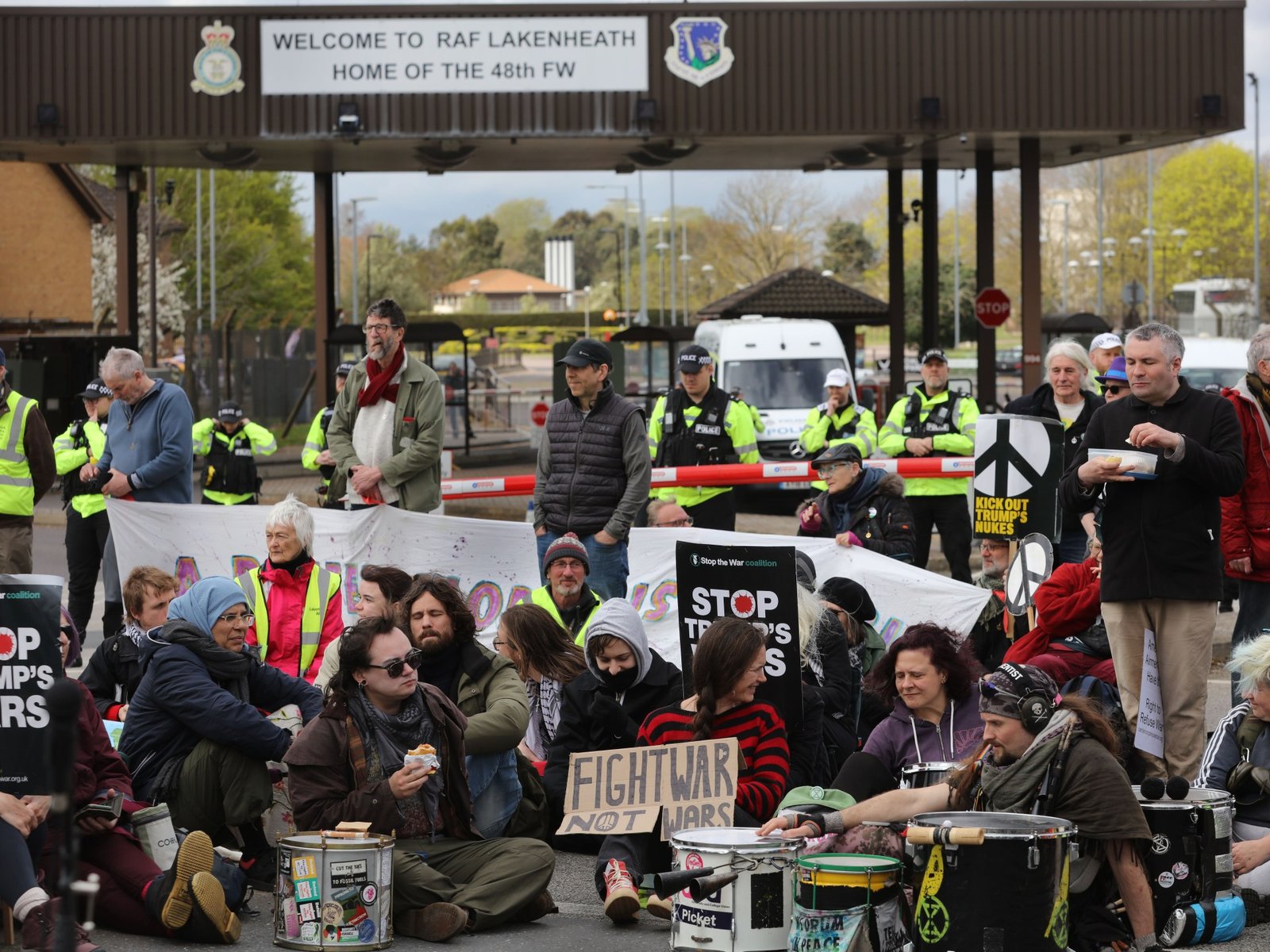
The recent arrest of seven protesters near RAF Lakenheath underscores a critical juncture in the UK’s geopolitical stance, particularly regarding its complicity in US military operations in the Middle East. This incident not only highlights domestic dissent but also reflects broader implications for international relations and regional stability.
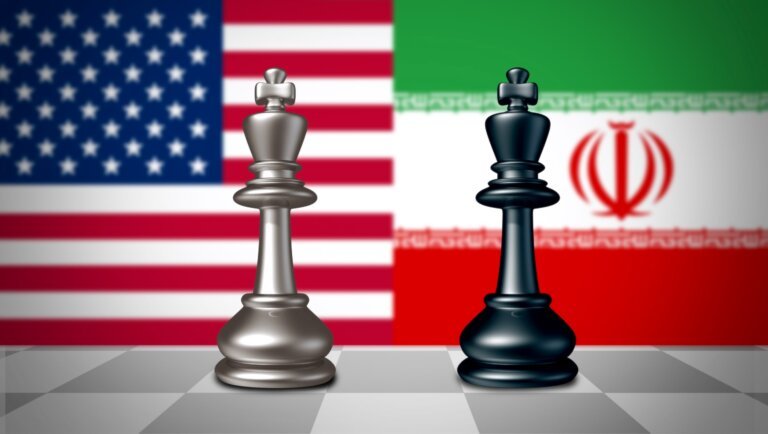
The Lakenheath airbase, a key installation for the United States Air Force in the UK, has long been a focal point for anti-war activists. Its strategic importance has surged amid escalating tensions between the US and Iran, particularly in light of the ongoing US-Israel conflict. The UK government’s decision to allow US operations from its bases, framed as necessary for regional security, has drawn significant domestic criticism. The recent designation of Palestine Action as a terrorist organization by Prime Minister Keir Starmer’s Labour government has further polarized public opinion, raising questions about the limits of free speech and the right to protest in the UK.
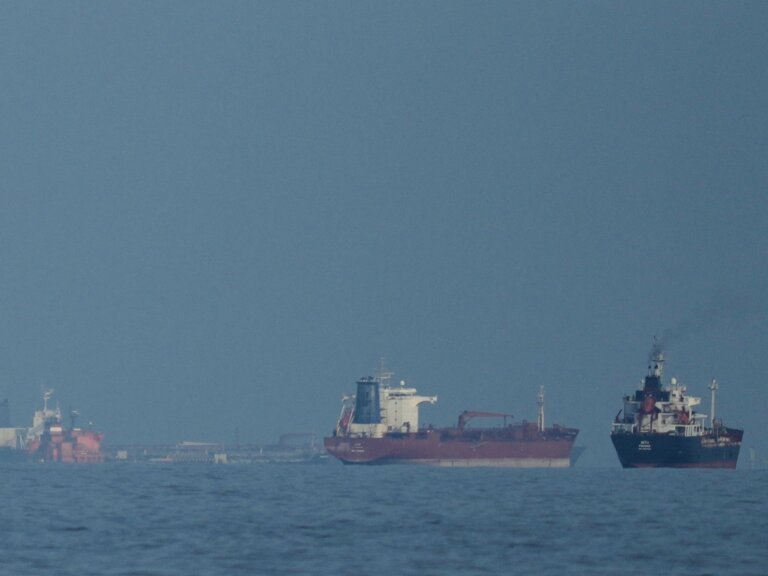
The implications of these arrests extend far beyond the immediate legal ramifications for the individuals involved. Politically, the UK government’s actions signal a willingness to align closely with US military objectives, potentially alienating a significant portion of the British populace that opposes such involvement. Economically, the UK’s support for US operations in the Middle East could have repercussions for its energy security, especially given the strategic importance of the Strait of Hormuz, through which a substantial portion of the world’s oil supply transits. The ongoing conflict and the UK’s role in it may also affect its relationships with other Middle Eastern nations, particularly those that view US actions as aggressive.
From a strategic standpoint, the UK’s alignment with US military operations against Iran represents a significant risk. The potential for escalation in the region could lead to broader conflicts, drawing in other powers and destabilizing an already volatile area. The protests at RAF Lakenheath reflect a growing discontent among the British public regarding their government’s foreign policy, which could lead to increased domestic unrest. Furthermore, the crackdown on Palestine Action raises critical questions about the balance between national security and civil liberties, potentially setting a precedent for future government actions against dissent.
Looking ahead, several scenarios could unfold. The UK government may continue its hardline stance against dissent, further alienating segments of the population and potentially leading to more protests. Alternatively, public pressure could force a reevaluation of its military commitments in the Middle East, especially if the situation escalates further. The legal challenges surrounding the ban on Palestine Action may also evolve, potentially leading to a landmark ruling that could redefine the boundaries of free speech and protest in the UK. As the geopolitical landscape shifts, the UK’s role in the Middle East will remain under scrutiny, with implications for its domestic and international standing.
The arrests at RAF Lakenheath are more than just a local incident; they represent a critical moment in the intersection of domestic policy and international relations. As the UK navigates its role in the US-Israel conflict and its implications for regional stability, the voices of dissent will continue to challenge the government’s narrative. The outcome of this struggle will not only shape the future of UK foreign policy but also influence the broader dynamics of power in the Middle East.
About the Author