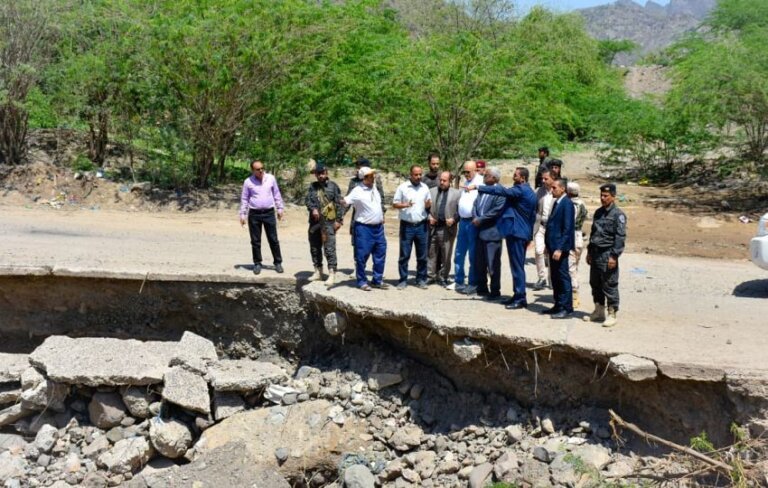
The Flood Crisis in Taiz: A Catalyst for Urgent Humanitarian and Economic Reform
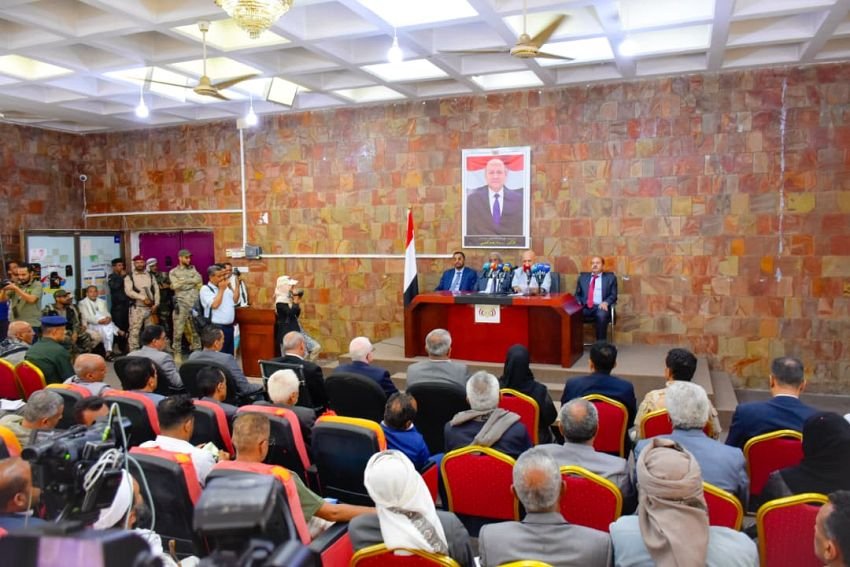
The recent floods in Taiz Governorate have not only devastated local communities but also exposed the urgent need for comprehensive humanitarian and economic reforms in Yemen. This disaster serves as a stark reminder of the vulnerabilities that persist in a war-torn nation, demanding immediate and coordinated action from both local authorities and international partners.
Yemen has been embroiled in a protracted conflict since 2015, leading to one of the world’s most severe humanitarian crises. The ongoing war has crippled infrastructure, disrupted essential services, and left millions dependent on aid. Taiz, a strategic governorate, has been particularly affected, both by the conflict and natural disasters. The recent floods, exacerbated by heavy rains, have resulted in significant loss of life and property, further complicating an already dire situation. The government’s response to this crisis will be pivotal in shaping the future of Taiz and, by extension, Yemen’s recovery trajectory.
The Government Committee, led by Minister of Local Administration Engineer Badr Basalama, convened to assess the flood damage, revealing a grim picture: over 22 fatalities, 21 individuals missing, and thousands displaced. The scale of destruction extends beyond immediate human losses, affecting infrastructure, agriculture, and economic resources. The committee’s findings highlight a gap between the severity of the disaster and the media’s coverage, indicating a need for heightened awareness and action. The call for a comprehensive recovery program underscores the need for a strategic approach to rebuilding Taiz, integrating humanitarian aid with long-term development goals.
The floods have had immediate and far-reaching consequences for Taiz. Politically, the disaster has placed pressure on local authorities to respond effectively, risking public trust if they fail to act decisively. Economically, the damage to infrastructure and agriculture threatens livelihoods, exacerbating poverty levels in a region already struggling with economic instability. The displacement of over 12,000 families adds another layer of complexity, as the need for shelter, food, and medical care intensifies. The humanitarian implications are profound, with the potential for increased malnutrition and health crises if aid is not mobilized swiftly and effectively.
The floods in Taiz represent more than just a natural disaster; they are a critical juncture for Yemen’s future. The government’s response will be scrutinized both domestically and internationally, influencing perceptions of its capability to manage crises. The call for a unified approach among local authorities, civil society, and international partners is essential for a successful recovery. However, the historical context of Yemen’s fragmented governance and ongoing conflict raises concerns about the feasibility of such collaboration. The risk of political fragmentation and competition for resources could hinder effective recovery efforts, necessitating a clear and coordinated strategy that transcends local rivalries.
Looking ahead, the immediate focus must be on mobilizing resources for emergency relief and long-term recovery. The government must prioritize the establishment of a comprehensive recovery program that addresses the multifaceted impacts of the floods. This program should not only aim to restore infrastructure but also to enhance resilience against future disasters. International partners must be engaged to provide financial and technical support, ensuring that recovery efforts are sustainable and inclusive. The potential for regional cooperation could also be explored, as neighboring countries may have valuable expertise and resources to contribute. However, the success of these initiatives will depend on the government’s ability to unify various stakeholders and maintain transparency throughout the recovery process.
The floods in Taiz have laid bare the vulnerabilities of a region already grappling with the consequences of war and economic collapse. This disaster is a wake-up call for Yemen’s leadership and its international partners, emphasizing the need for a strategic, coordinated response that prioritizes humanitarian needs while laying the groundwork for sustainable development. The path forward will be fraught with challenges, but it also presents an opportunity to reshape Yemen’s future through comprehensive reform and collaboration. The stakes are high, and the time for action is now.
About the Author