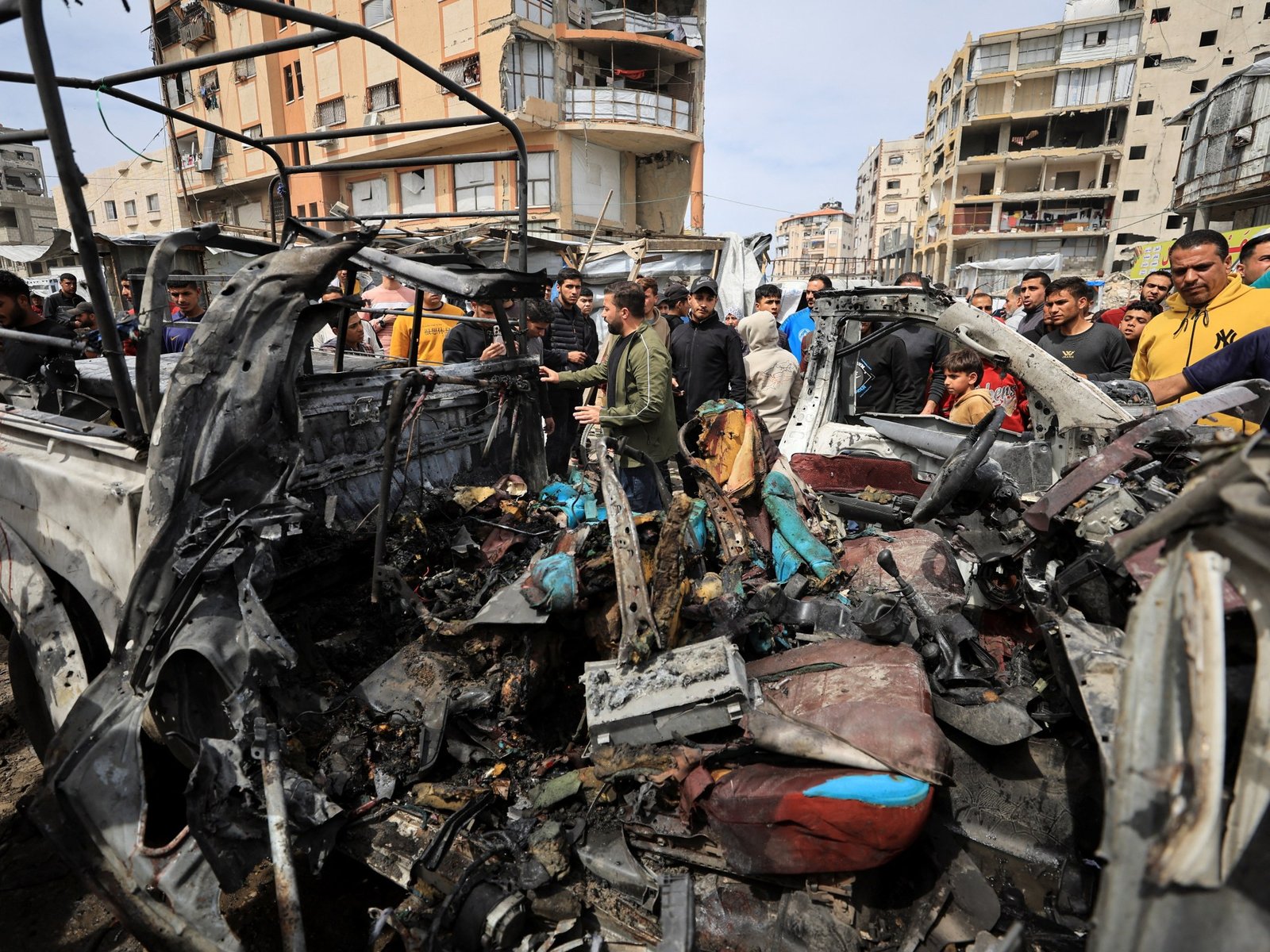
The recent Israeli military strikes in Gaza, resulting in the deaths of 11 Palestinians, including two children, underscore a grim reality that continues to unfold in the region. This latest wave of violence not only violates the fragile ceasefire established last October but also highlights the ongoing humanitarian crisis and the geopolitical implications of such actions.
The Israeli-Palestinian conflict has long been characterized by cycles of violence, punctuated by temporary ceasefires that often prove to be tenuous at best. The ceasefire that began on October 10, 2023, was intended to halt the hostilities that had escalated dramatically over the preceding months, resulting in significant loss of life and widespread destruction in Gaza. However, the recent attacks reveal a stark reality: the ceasefire has not translated into lasting peace or security for the Palestinian population. Instead, it has become a mere façade under which Israel continues its military operations, further entrenching its control over the region and exacerbating the humanitarian crisis.
The immediate consequences of these strikes are devastating. The loss of civilian lives, particularly children, not only deepens the humanitarian crisis in Gaza but also fuels resentment and anger among the Palestinian population. The psychological toll on families and communities is immeasurable, as the specter of violence looms large over daily life. Politically, these actions undermine any efforts towards peace negotiations and further entrench the divisions between Israelis and Palestinians. Economically, the continued violence stifles any potential for recovery in Gaza, where infrastructure has already been decimated by years of conflict. The international community’s response has been tepid at best, with calls for accountability often drowned out by geopolitical interests that prioritize stability over justice.
The ongoing violence in Gaza is not merely a local issue; it has significant implications for regional stability. Israel’s military actions are indicative of a broader strategy aimed at maintaining control over Palestinian territories while simultaneously sending a message to its adversaries in the region. The continued strikes serve to reinforce Israel’s military dominance and deter any potential challenges to its authority. However, this approach is fraught with risks. The more Israel resorts to military solutions, the more it alienates the Palestinian population and the broader Arab world, potentially igniting further unrest. The geopolitical landscape is shifting, with increasing calls for accountability and justice for Palestinians, which could lead to greater international scrutiny of Israel’s actions.
Looking ahead, the situation in Gaza is likely to remain volatile. The cycle of violence is unlikely to cease without a fundamental shift in approach from both Israeli and Palestinian leadership. As long as military strikes continue, the prospects for peace remain dim. The international community must take a more active role in mediating the conflict and holding Israel accountable for its actions. Potential scenarios include increased international pressure for a renewed ceasefire or, conversely, a further escalation of violence as both sides dig in their heels. The humanitarian situation in Gaza will continue to deteriorate unless there is a concerted effort to address the root causes of the conflict and prioritize the rights and dignity of the Palestinian people.
The recent Israeli attacks on Gaza serve as a stark reminder of the human cost of this protracted conflict. With the death of innocent civilians, including children, the cycle of violence perpetuates a narrative of despair and hopelessness. It is imperative that the international community recognizes the urgency of the situation and acts decisively to foster a path towards genuine peace and reconciliation. Without such intervention, the region will remain mired in violence, with the innocent bearing the brunt of geopolitical machinations.
About the Author