Strategic Healthcare Initiative: The Establishment of Dhalea General Hospital Authority and Its Geopolitical Implications
The recent approval of the Dhalea General Hospital Authority by Yemen’s Cabinet is not merely a local administrative decision; it represents a pivotal moment in the broader geopolitical landscape of the region. This initiative underscores the urgent need for improved healthcare infrastructure amidst ongoing conflict and instability, revealing the intertwined nature of health, governance, and security in Yemen.
Yemen has been embroiled in a devastating civil war since 2014, leading to a humanitarian crisis of unprecedented scale. The conflict has severely crippled the nation’s healthcare system, with hospitals destroyed and medical personnel fleeing the country. The establishment of the Dhalea General Hospital Authority is a response to these dire circumstances, aiming to enhance healthcare services in the Dhalea Governorate, which has been relatively stable compared to other regions. This initiative reflects a broader strategy by the Yemeni government to consolidate control over liberated areas and improve the quality of life for citizens, thereby fostering loyalty and stability in a fractured nation.
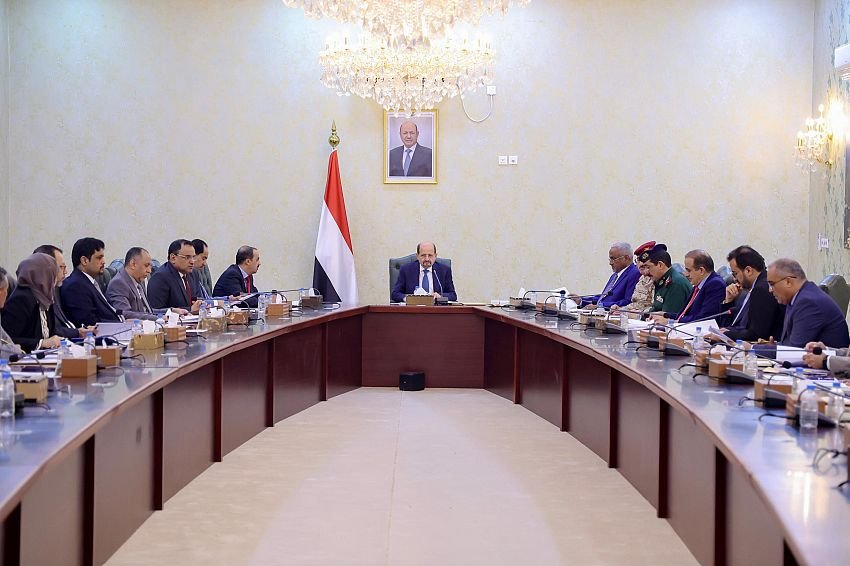
The Cabinet meeting, chaired by Prime Minister Dr. Shaya Mohsen Zindani, was significant for several reasons. The approval of the Dhalea General Hospital Authority is a direct response to the pressing healthcare needs of the population, aiming to reduce the necessity for patients to travel long distances for medical care. This initiative is complemented by a memorandum of understanding for regional health cooperation with Djibouti, Somalia, and Sudan, indicating a strategic move towards collaborative health initiatives that could bolster Yemen’s position in the Horn of Africa. Furthermore, the Cabinet’s discussions included updates on military readiness and security measures, highlighting the government’s dual focus on health and security as intertwined priorities in its governance strategy.
The establishment of the Dhalea General Hospital Authority is poised to have significant political, economic, and security implications. Politically, it serves as a tool for the Yemeni government to assert its authority in the region, demonstrating its commitment to public welfare amidst ongoing conflict. Economically, improved healthcare services can lead to a healthier workforce, which is essential for rebuilding the economy. The initiative could also attract international aid and investment, as foreign entities often prioritize health infrastructure in their development agendas. On the security front, a robust healthcare system can mitigate public discontent and reduce the likelihood of unrest, as citizens perceive tangible improvements in their quality of life. This is particularly crucial in a country where the lack of basic services has fueled grievances against the government.
The Dhalea General Hospital Authority represents a strategic pivot in Yemen’s governance model, where health is increasingly viewed as a cornerstone of national stability. By prioritizing healthcare, the Yemeni government is not only addressing immediate needs but also laying the groundwork for long-term resilience. However, this initiative is fraught with risks. The ongoing conflict poses a constant threat to the successful implementation of such projects, as instability can disrupt operations and deter investment. Additionally, the regional cooperation with neighboring countries must be navigated carefully, as geopolitical rivalries in the Horn of Africa could complicate collaborative efforts. The success of this initiative will depend on the government’s ability to maintain security in the region while fostering partnerships that enhance healthcare delivery.
Looking ahead, the establishment of the Dhalea General Hospital Authority could set a precedent for similar initiatives across other liberated governorates. If successful, it may lead to a broader healthcare reform agenda that could attract international support and investment. However, the government must remain vigilant against potential disruptions from ongoing conflict and political rivalries. Realistically, the next steps will involve not only the operationalization of the hospital authority but also the establishment of a sustainable funding model that ensures long-term viability. The government will need to engage with international health organizations to secure technical assistance and funding, which will be critical for the success of this initiative.
The approval of the Dhalea General Hospital Authority is a significant step towards rebuilding Yemen’s shattered healthcare system and enhancing governance in a time of crisis. This initiative is emblematic of the broader challenges and opportunities facing the Yemeni government as it seeks to stabilize the country amidst ongoing conflict. By prioritizing healthcare, the government is not only addressing immediate needs but also strategically positioning itself for future resilience and recovery. The success of this initiative could very well determine the trajectory of Yemen’s recovery and its role in the regional geopolitical landscape.
About the Author