The recent direct negotiations between Israeli and Lebanese officials in Washington, DC, mark a significant turning point in a region fraught with tension and conflict. As the Iran war escalates, these talks could redefine the geopolitical landscape of the Middle East, impacting not only Israel and Lebanon but also the broader dynamics involving Iran and its proxies.
The backdrop to these negotiations is a complex tapestry of historical animosities and geopolitical maneuvering. Since the end of the Lebanese Civil War in 1990, Israel and Lebanon have maintained a tenuous relationship, primarily defined by the presence of Hezbollah, an Iranian-backed militant group that has been a thorn in Israel’s side. The ongoing military campaign by Israel against Hezbollah has intensified since the onset of the Iran war, which began with US and Israeli strikes on Iranian targets in February 2026. This conflict has not only exacerbated existing tensions but has also led to a significant humanitarian crisis within Lebanon, where over 1.1 million people have been displaced due to the violence.
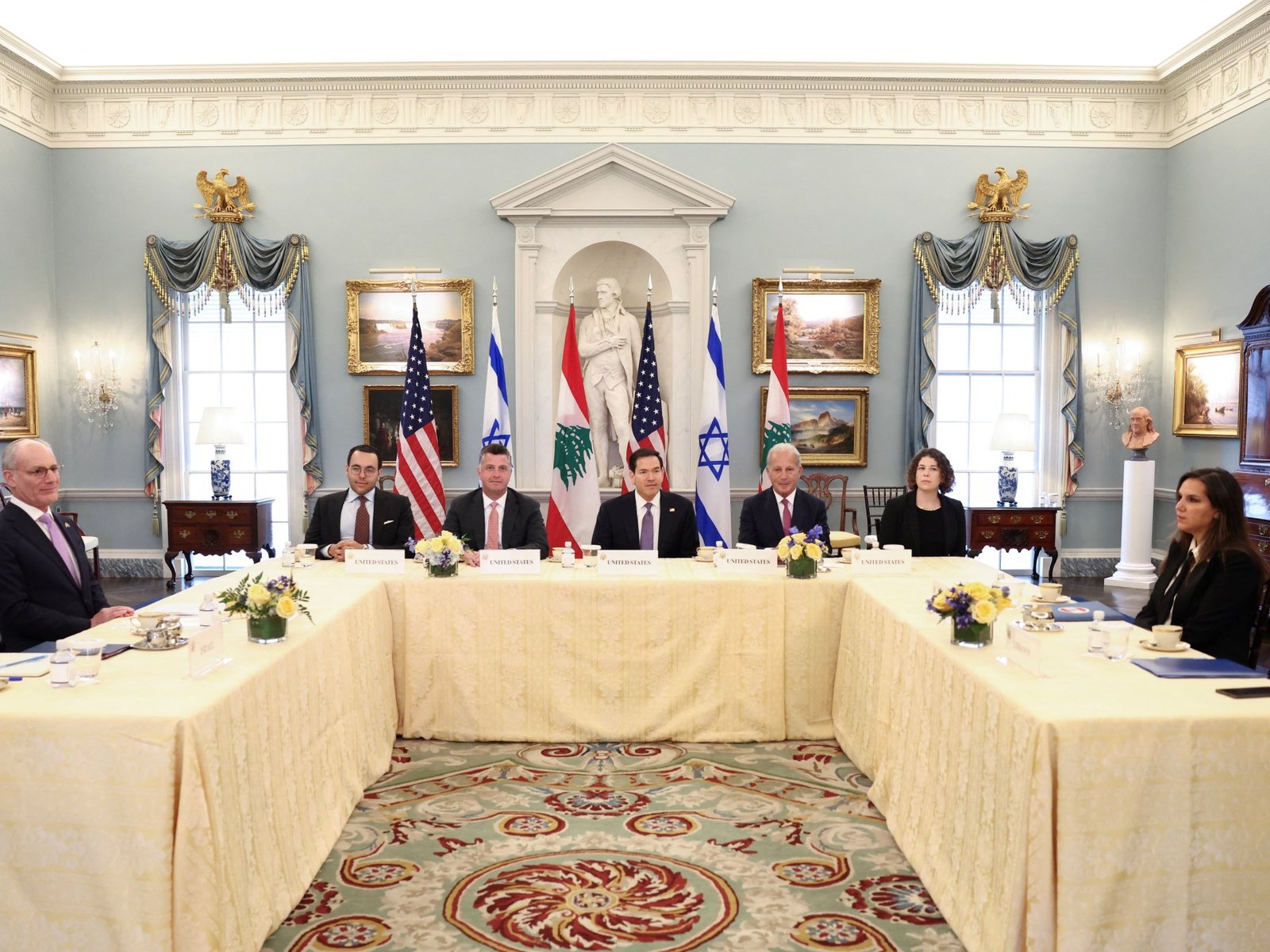
The talks held on Tuesday represent the first direct negotiations between the two nations since 1983, a period marked by conflict and hostility. Hosted by US Secretary of State Marco Rubio, the discussions lasted over two hours, yet they revealed starkly different priorities. Israel’s agenda was clear: it sought to pressure Lebanon into disarming Hezbollah, a demand that reflects its broader strategy of neutralizing Iranian influence in the region. Conversely, Lebanon’s representatives called for an immediate ceasefire and measures to address the humanitarian crisis, highlighting the dire situation on the ground. Despite the divergent goals, both sides emerged from the talks with a semblance of optimism, indicating a willingness to engage further, albeit under vastly different circumstances.
The implications of these talks extend far beyond the immediate concerns of Israel and Lebanon. Politically, the negotiations could signal a shift in Lebanon’s internal dynamics, particularly regarding Hezbollah’s influence. The Lebanese ambassador to the US, Nada Hamadeh Moawad, emphasized the need for Lebanon to be liberated from Hezbollah’s grip, a sentiment that resonates with many Lebanese citizens weary of the ongoing conflict. Economically, the war has devastated Lebanon’s already fragile economy, and any potential resolution could pave the way for international aid and investment, crucial for rebuilding the war-torn nation. However, the ongoing violence, including Israel’s recent airstrikes that killed over 350 people, casts a long shadow over any prospects for peace.
From a strategic standpoint, the talks underscore a critical moment in the broader US-Israel strategy against Iran. The Biden administration’s involvement reflects a desire to stabilize the region while countering Iranian influence. However, the absence of Hezbollah from the negotiations raises questions about the efficacy of any agreement reached. Hezbollah’s continued military operations against Israel, including recent escalations during the talks, indicate that the group remains a formidable force, capable of undermining any diplomatic efforts. Furthermore, Israel’s insistence on establishing a “security zone” in southern Lebanon, which critics argue is an attempt to redraw borders and entrench its military presence, complicates the situation further. The potential for miscalculation and escalation remains high, particularly if Hezbollah perceives these talks as a threat to its existence.
Looking ahead, several scenarios could unfold. If the talks continue and both sides can find common ground, there may be a chance for a ceasefire that addresses the humanitarian crisis while also limiting Hezbollah’s military capabilities. However, given the entrenched positions of both parties, a breakdown in negotiations could lead to an escalation of violence, with Hezbollah likely to retaliate against Israeli strikes. The regional implications are profound; a failure to stabilize Lebanon could embolden Iran and its proxies, leading to a broader conflict that draws in other regional players. The US’s role as a mediator will be crucial, but its ability to influence outcomes is limited by the complex realities on the ground.
The recent talks between Israel and Lebanon represent a critical juncture in a conflict that has deep historical roots and far-reaching implications. While the discussions have opened a channel for dialogue, the stark differences in priorities and the ongoing violence suggest that achieving lasting peace will be a formidable challenge. The stakes are high, not just for Israel and Lebanon, but for the entire region, as the specter of a wider conflict looms large. The international community must remain vigilant and engaged, as the outcomes of these negotiations could shape the future of Middle Eastern geopolitics for years to come.
About the Author