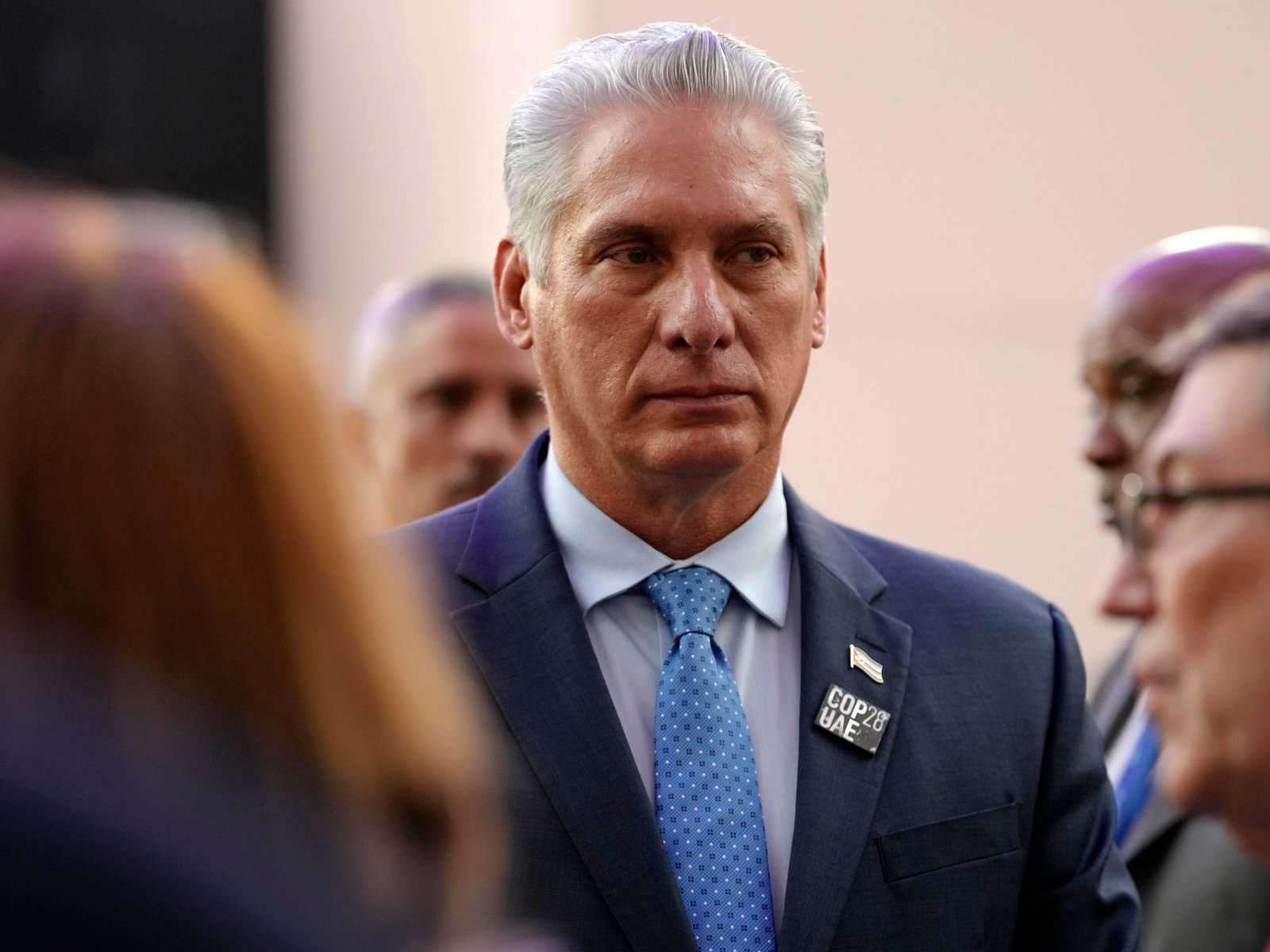
The refusal of Cuban President Miguel Diaz-Canel to resign under U.S. pressure is not merely a matter of national pride; it represents a significant geopolitical flashpoint that could reshape the dynamics of power in the Americas and beyond. As the U.S. tightens its oil blockade and escalates threats, the implications for regional stability and international relations are profound.
The roots of the current crisis can be traced back to decades of U.S.-Cuba relations, marred by hostility and ideological opposition. Since the Cuban Revolution in the 1950s, which ousted a U.S.-backed regime, Cuba has been a focal point of American foreign policy aimed at countering leftist movements in Latin America. The imposition of a comprehensive trade embargo in the early 1960s was designed to cripple the Cuban economy and isolate the island from international support. This historical context is crucial for understanding the current tensions, as Diaz-Canel’s administration finds itself under unprecedented pressure from the Trump administration, which has adopted an aggressive stance reminiscent of Cold War-era policies.
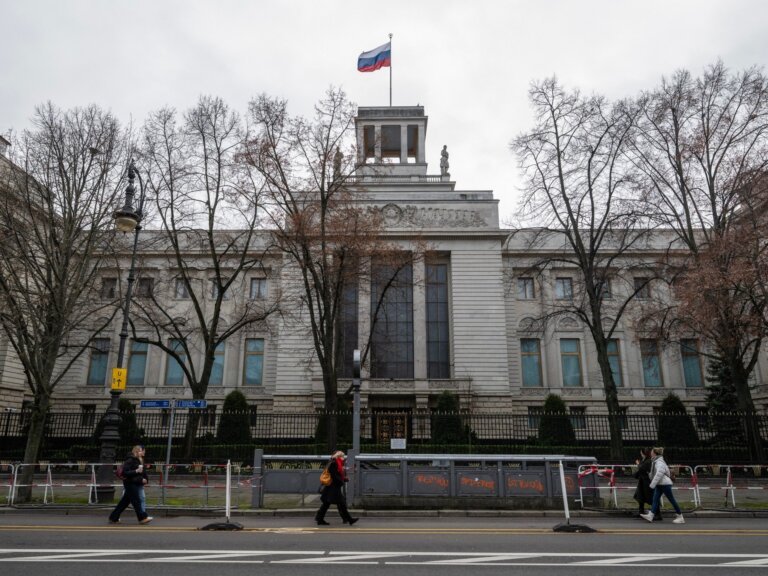
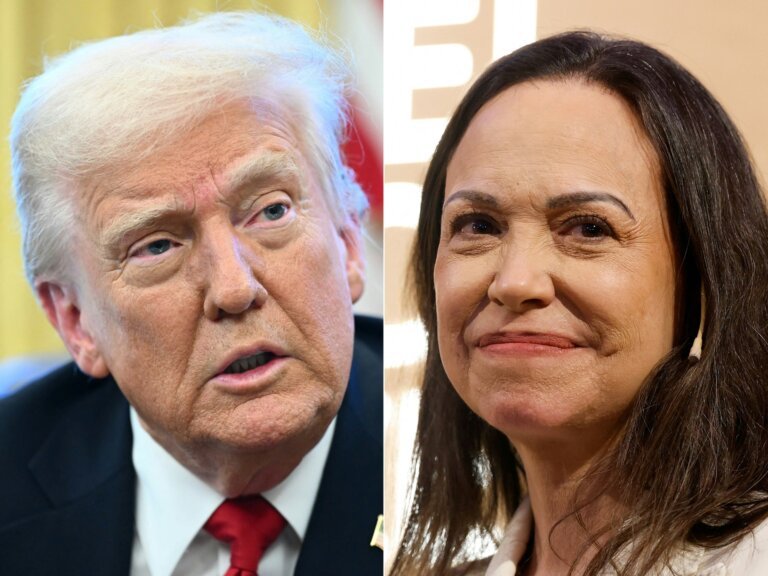
<pRecently, President Trump has intensified his rhetoric against Cuba, labeling it an “unusual and extraordinary threat” to U.S. national security. His administration’s actions, including the tightening of the oil blockade, have left Cuba grappling with severe fuel shortages and widespread power outages. In a bold statement, Diaz-Canel declared, “Stepping down is not part of our vocabulary,” signaling his determination to resist U.S. demands for regime change. This defiance is further underscored by Russia’s continued support for Cuba, with Deputy Foreign Minister Sergei Ryabkov affirming that Moscow will not abandon its ally. The arrival of a Russian tanker carrying oil to Cuba amidst these sanctions highlights the geopolitical chess game at play, where alliances are tested and reaffirmed.
The implications of this standoff are manifold. Politically, Diaz-Canel’s refusal to capitulate to U.S. pressure strengthens his position domestically, rallying nationalistic sentiments among the Cuban populace. Economically, however, the blockade is wreaking havoc on an already fragile economy, leading to increased hardship for ordinary Cubans. The disruption of essential services such as water and food distribution exacerbates public discontent, potentially creating a volatile situation that could lead to unrest. Furthermore, the U.S. strategy of isolating Cuba may backfire, pushing the island closer to other global powers like Russia and China, who are eager to exploit the opportunity to expand their influence in the Western Hemisphere.
From a strategic standpoint, the U.S. is walking a tightrope. The aggressive posture towards Cuba could ignite a broader regional conflict, especially if other Latin American nations perceive this as an infringement on their sovereignty. The historical precedent of U.S. interventions in the region looms large, and countries like Venezuela and Nicaragua are closely watching the developments in Cuba. The risk of miscalculation is high; a military intervention, as hinted by Trump, could provoke a backlash not only from Cuba but also from its allies, potentially destabilizing the entire region. The geopolitical landscape is shifting, and the U.S. must navigate these waters carefully to avoid a repeat of past failures.
Looking ahead, several scenarios could unfold. If the U.S. continues its hardline approach, Cuba may further entrench its alliances with Russia and other nations, leading to a more pronounced geopolitical divide in the Americas. Alternatively, if diplomatic channels are opened, there could be a thawing of relations, albeit under the condition that Cuba remains sovereign and unyielding to U.S. demands. The internal dynamics within Cuba will also play a crucial role; if economic conditions worsen, public pressure could mount on Diaz-Canel, potentially leading to a shift in leadership or policy. However, given the current trajectory, it appears more likely that Cuba will double down on its resistance, setting the stage for a prolonged standoff.
The refusal of President Diaz-Canel to step down in the face of U.S. pressure is emblematic of a larger struggle for sovereignty and self-determination in the region. As the geopolitical landscape evolves, the implications of this standoff extend far beyond Cuba, influencing U.S. relations with other Latin American countries and reshaping alliances. The world is watching, and the outcome of this confrontation will have lasting repercussions for the balance of power in the Americas.
About the Author