The Tragic Stampede at Citadelle Laferriere: A Reflection of Haiti’s Deepening Crisis
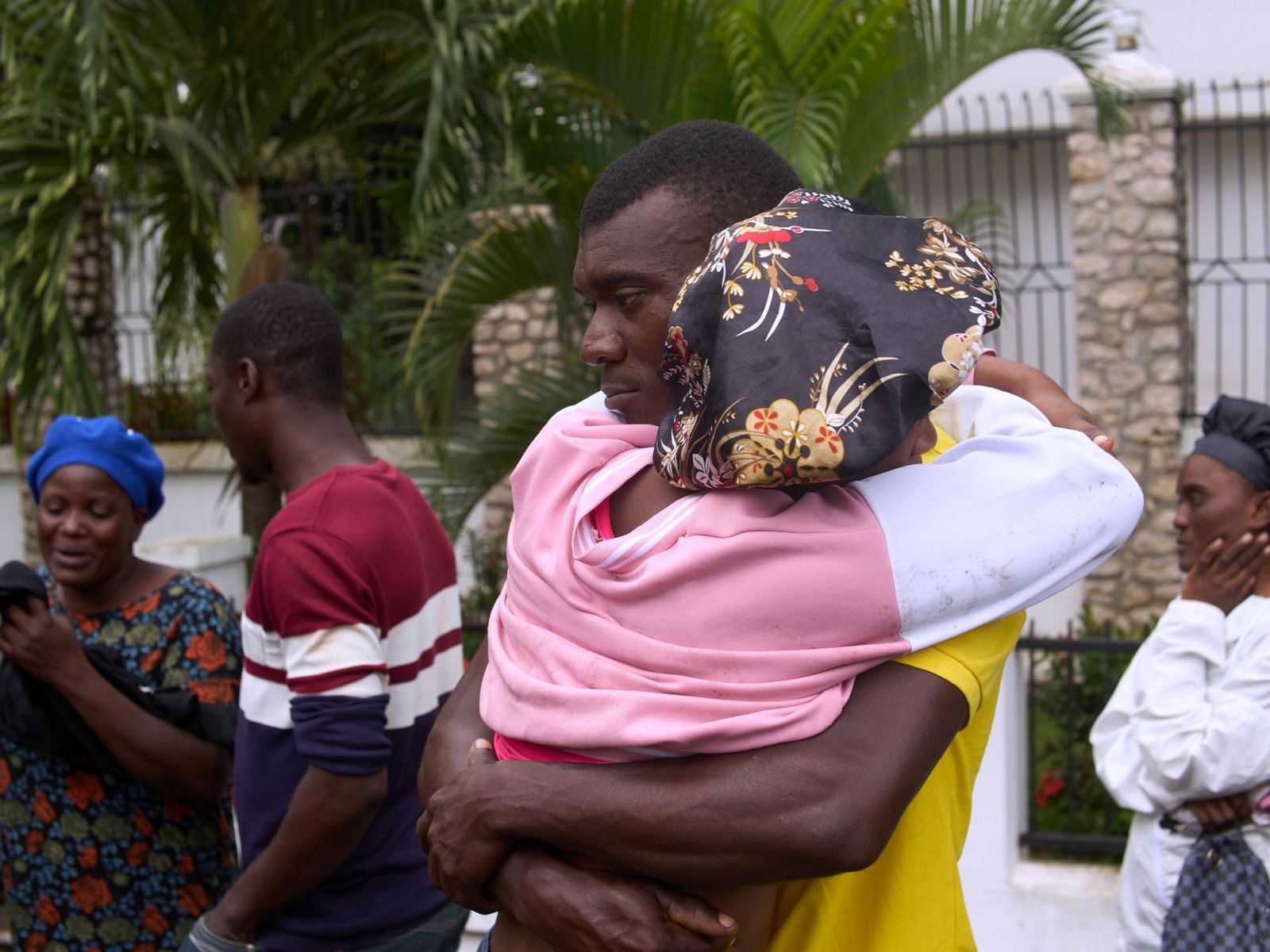
The recent stampede at Citadelle Laferriere, which resulted in the tragic loss of 25 lives, is not merely a horrific event; it is a stark reflection of the systemic failures plaguing Haiti. This incident underscores the urgent need for accountability and reform in a nation grappling with political instability, rampant violence, and a humanitarian crisis.
Haiti, the first independent nation in Latin America and the Caribbean, has long been a symbol of resilience. However, decades of political turmoil, economic hardship, and natural disasters have left the country in a state of perpetual crisis. The assassination of President Jovenel Moise in 2021 created a power vacuum that has been exploited by gangs, leading to a surge in violence and lawlessness. As the government struggles to maintain order, the social fabric of the nation continues to fray, exacerbating the challenges faced by ordinary Haitians.
The stampede at Citadelle Laferriere occurred during a local event where a DJ attracted a large crowd. As stormy weather set in, panic ensued, leading to a deadly crush at the entrance of the historic site. In the aftermath, the Ministry of Culture and Communication took decisive action, firing two officials for negligence and passivity. This move, while necessary, raises questions about the broader systemic issues within the Haitian government and its ability to manage public safety effectively.
Moreover, the government’s acknowledgment of “administrative negligence” highlights a troubling trend in Haiti’s governance. With nine arrests made, including police officers and ministry employees, the incident has sparked outrage and demands for accountability. However, this reaction may be too little, too late, as the underlying issues remain unaddressed.
The consequences of the stampede extend far beyond the immediate loss of life. Politically, this tragedy could further destabilize an already fragile government. As Haiti approaches its first round of general elections, the public’s trust in the government is waning. The inability to ensure safety at a public event raises serious concerns about the government’s capacity to manage the electoral process and maintain order in a country rife with gang violence.
Economically, the incident could deter tourism, a vital sector for Haiti’s recovery. The Citadelle Laferriere, a UNESCO World Heritage site, is a symbol of national pride and a potential source of revenue. But with safety concerns looming large, tourists may think twice before visiting, further straining an economy already on the brink of collapse.
The stampede at Citadelle Laferriere is emblematic of a larger crisis in Haiti, where governance is increasingly challenged by criminal networks and social unrest. The government’s response, while necessary, may not be sufficient to quell public outrage or restore confidence. The involvement of gangs in everyday life has created a climate of fear, making it difficult for the government to assert its authority.
Furthermore, the international community’s response to Haiti’s plight has been tepid at best. While a UN-backed Gang Suppression Force has begun to arrive, the effectiveness of such interventions remains to be seen. Without a comprehensive strategy that addresses the root causes of violence and instability, any efforts to restore order may be futile.
Looking ahead, several scenarios could unfold in the wake of this tragedy. If the government fails to implement meaningful reforms and address public safety concerns, we may witness an escalation of violence and civil unrest. The upcoming elections could become a flashpoint for further instability, particularly if citizens feel their safety is not guaranteed.
Conversely, if the government takes decisive action to improve security and restore public trust, there may be a chance for stabilization. However, this would require a commitment to transparency, accountability, and genuine engagement with the Haitian populace. The path forward is fraught with challenges, but the stakes are too high for complacency.
The stampede at Citadelle Laferriere is a tragic reminder of the precarious state of affairs in Haiti. As the nation mourns the loss of life, it must also confront the systemic failures that led to this disaster. The time for accountability and reform is now; without it, Haiti risks descending further into chaos, with dire consequences for its people and its future.
About the Author