The Escalating U.S. Military Campaign in the Eastern Pacific: A Dangerous Precedent for Global Maritime Law
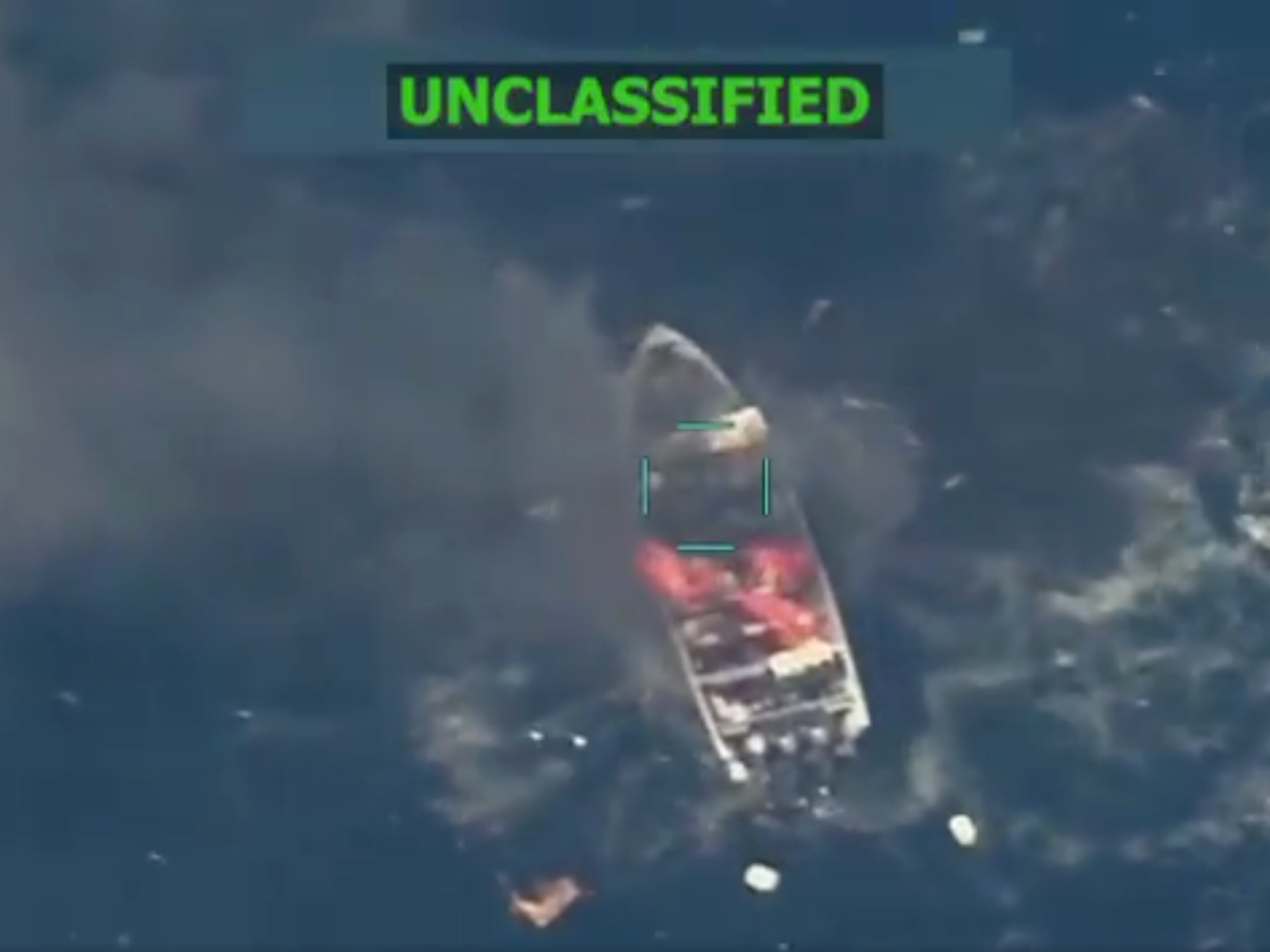
The recent U.S. military strikes on vessels in the eastern Pacific, which have resulted in a staggering death toll, represent not just a tactical maneuver against alleged drug trafficking but a significant shift in international military engagement norms. This escalation raises critical questions about sovereignty, legality, and the potential for broader geopolitical ramifications, particularly in a region already fraught with instability.
The U.S. military’s operations in the eastern Pacific have intensified dramatically since September 2025, with over 170 fatalities reported from strikes targeting vessels purportedly linked to drug trafficking. This aggressive approach, spearheaded by U.S. Southern Command (SOUTHCOM), is framed as part of a broader war on drugs, yet it operates in a legal gray area that challenges established norms of engagement on the high seas. The implications of these actions extend beyond the immediate context of drug interdiction; they threaten to redefine the rules of engagement in international waters, where the principle of innocent passage is a cornerstone of maritime law.
The ramifications of these military actions are profound. Politically, the U.S. risks alienating regional allies who may view these strikes as violations of sovereignty. Countries in Central and South America, already grappling with their own issues of governance and security, may find themselves caught in the crossfire of U.S. military policy, leading to increased anti-American sentiment. Economically, the disruption of legitimate fishing activities due to the fear of military strikes could devastate local economies that rely on these industries. Furthermore, the potential for retaliatory actions from drug cartels or other non-state actors could escalate violence in the region, further destabilizing already fragile states.
From a strategic perspective, the U.S. military’s actions in the eastern Pacific reflect a broader shift in how the U.S. engages with transnational threats. The reliance on lethal force without clear legal justification sets a dangerous precedent that could embolden other nations to adopt similar tactics, undermining international law. The implications for maritime security are significant; if the U.S. can justify strikes based on tenuous links to drug trafficking, other nations may feel empowered to act unilaterally in pursuit of their own interests, leading to a potential increase in maritime conflicts. Moreover, the U.S. risks overextending its military resources in a region where diplomatic solutions may be more effective in addressing the root causes of drug trafficking.
Looking ahead, the U.S. must navigate a complex landscape of international relations and domestic pressures. The continuation of military strikes without clear evidence or legal backing could lead to increased scrutiny from both domestic and international actors. There is a real possibility that regional governments may push back against U.S. operations, demanding accountability and adherence to international law. Furthermore, the potential for retaliatory violence from drug trafficking organizations could escalate, leading to a cycle of violence that complicates U.S. objectives in the region. The Biden administration, facing mounting criticism, may need to recalibrate its approach, balancing military action with diplomatic engagement to address the multifaceted challenges of drug trafficking and regional stability.
The U.S. military’s recent strikes in the eastern Pacific are not merely tactical operations; they represent a significant shift in the landscape of international military engagement. As the death toll rises and the legal justifications for these actions come under scrutiny, the potential for broader geopolitical ramifications looms large. The U.S. must tread carefully, as the consequences of its actions could reverberate far beyond the immediate context of drug trafficking, impacting regional stability and the integrity of international maritime law for years to come.
About the Author