Italy’s Strategic Engagement with Qatar: A Crucial Move Amidst the Iran War
 Yemen Herald News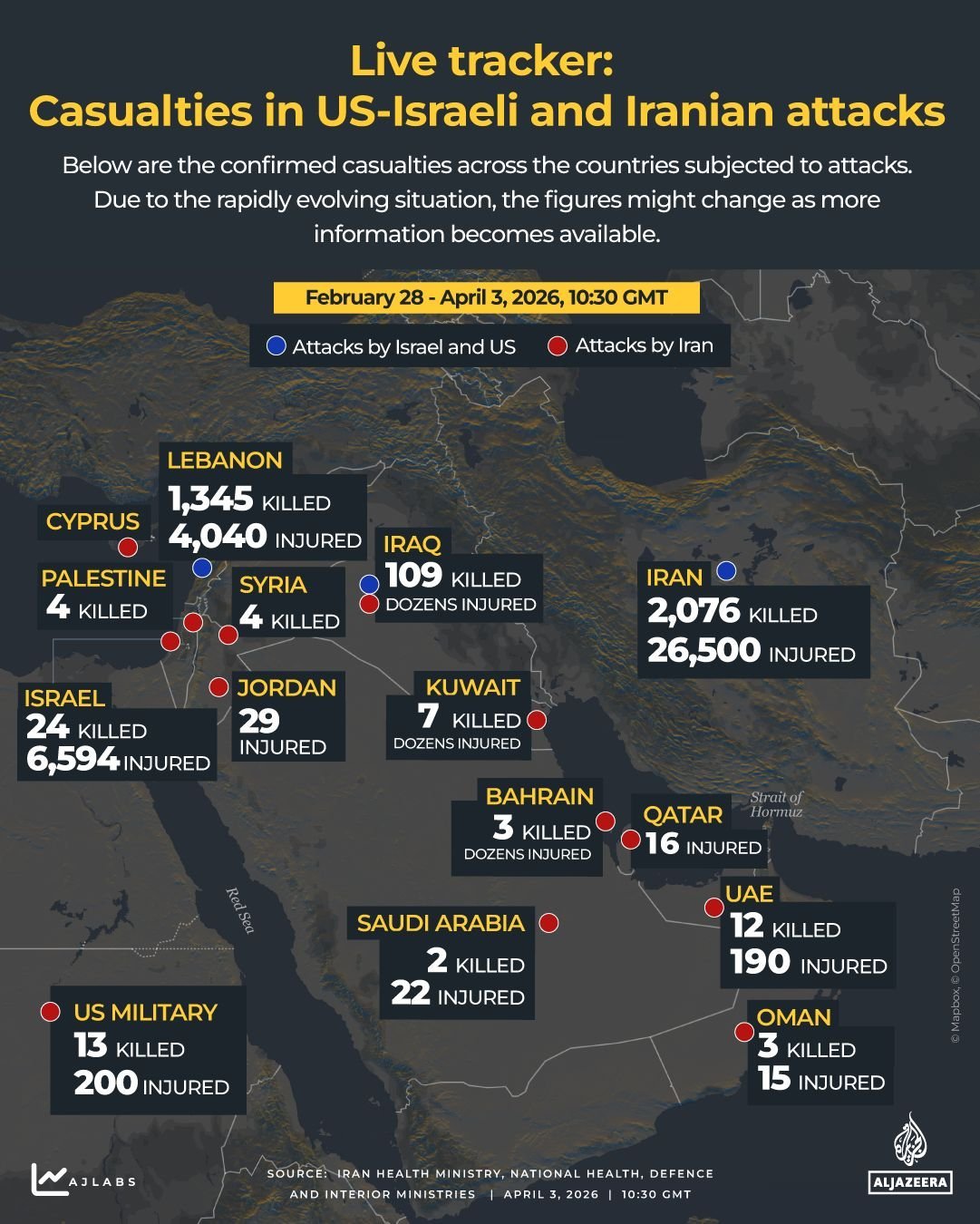
The recent meeting between Italian Prime Minister Giorgia Meloni and Qatar’s Emir Sheikh Tamim bin Hamad Al Thani marks a pivotal moment in European energy diplomacy, especially in the context of the ongoing Iran war. This engagement is not merely a diplomatic formality; it is a strategic necessity for Italy and the broader European Union as they navigate the turbulent waters of energy security and geopolitical stability in the Middle East.
The geopolitical landscape of the Middle East has been dramatically reshaped by the ongoing conflict involving Iran, the United States, and Israel. Since the onset of hostilities in late February 2026, the region has witnessed a surge in military actions, with Iran targeting not only U.S. and Israeli interests but also its Gulf neighbors, including Qatar. This conflict has significant implications for energy security, particularly as Iran has effectively blocked the Strait of Hormuz, a critical chokepoint for global oil and liquefied natural gas (LNG) shipments. Italy, heavily reliant on energy imports, is acutely aware of the rising prices and potential supply disruptions stemming from this crisis.
During the meeting, both leaders underscored the importance of de-escalation and political dialogue as essential tools for managing the current crisis. They recognized that the ongoing conflict not only threatens regional stability but also poses risks to global supply chains. The discussions also included a review of bilateral cooperation, emphasizing economic and energy collaboration, which is increasingly important as Europe seeks to diversify its energy sources away from traditional suppliers.
The implications of Meloni’s visit extend beyond mere diplomatic niceties; they resonate deeply within the realms of political, economic, and security dynamics. Politically, Italy’s proactive stance signals a shift in European engagement with the Gulf states, particularly in the context of energy security. As European nations grapple with the fallout from the Iran war, Italy’s outreach to Qatar positions it as a key player in the region, potentially influencing EU energy policy and strategy.
Economically, the partnership with Qatar could provide Italy with a more stable energy supply, mitigating the risks associated with fluctuating prices and potential shortages. The Italian economy, which has been under pressure from rising energy costs, stands to benefit significantly from enhanced cooperation with one of the world’s largest LNG producers. Moreover, as Qatar faces threats to its energy infrastructure, Italy’s commitment to assist in rehabilitation efforts could solidify long-term economic ties, ensuring mutual benefits in the energy sector.
From a security perspective, the ongoing conflict necessitates a reevaluation of alliances and partnerships in the region. Iran’s aggressive posture not only endangers Gulf states but also poses a direct threat to European interests. By aligning more closely with Qatar and other Gulf nations, Italy is not only safeguarding its energy interests but also contributing to a broader coalition aimed at countering Iranian influence in the region.
The strategic implications of Meloni’s visit cannot be overstated. As the conflict in Iran escalates, the balance of power in the Middle East is shifting. Iran’s ability to project power through asymmetric warfare and its targeting of Gulf states complicate the security landscape. Italy’s engagement with Qatar represents a calculated move to bolster regional alliances against Iranian aggression.
Furthermore, the emphasis on de-escalation and diplomatic dialogue reflects a growing recognition among European leaders that military solutions are insufficient to address the complexities of the Middle Eastern geopolitical landscape. By prioritizing diplomacy, Italy is positioning itself as a mediator, potentially enhancing its influence in future negotiations regarding regional stability and energy security.
Looking ahead, several scenarios could unfold as a result of Meloni’s diplomatic overtures. If Italy successfully strengthens its ties with Qatar and other Gulf states, it could lead to a more unified European approach to energy security, particularly in the face of Iranian threats. This could also encourage other European nations to follow suit, fostering a collective response to the crisis.
Conversely, if the conflict escalates further, Italy’s efforts may be hampered by the realities of regional instability. The potential for increased Iranian aggression could disrupt energy supplies, forcing Italy and its European partners to seek alternative sources or accelerate the transition to renewable energy. The outcome of this delicate balancing act will significantly influence Italy’s energy strategy and its role in the broader geopolitical landscape.
In conclusion, Prime Minister Giorgia Meloni’s meeting with Qatar’s Emir is a critical step in addressing the multifaceted challenges posed by the ongoing Iran war. As Italy seeks to secure its energy future and strengthen its geopolitical standing, this engagement with Qatar underscores the importance of strategic partnerships in navigating an increasingly volatile region. The stakes are high, and the decisions made in the coming months will shape the future of energy security and political stability in the Middle East and beyond.
About the Author