Jamila Ali Raja took the constitutional oath as Yemen’s ambassador extraordinary and
 Yemen Herald News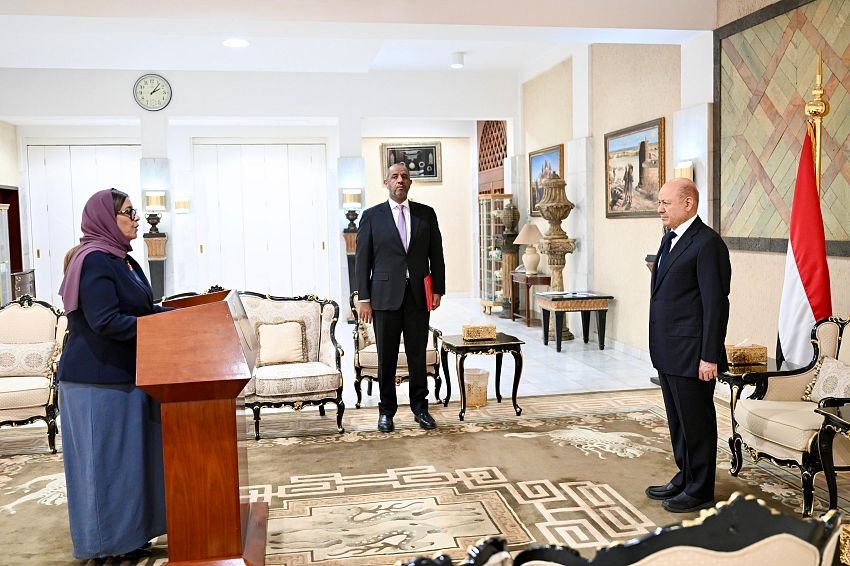
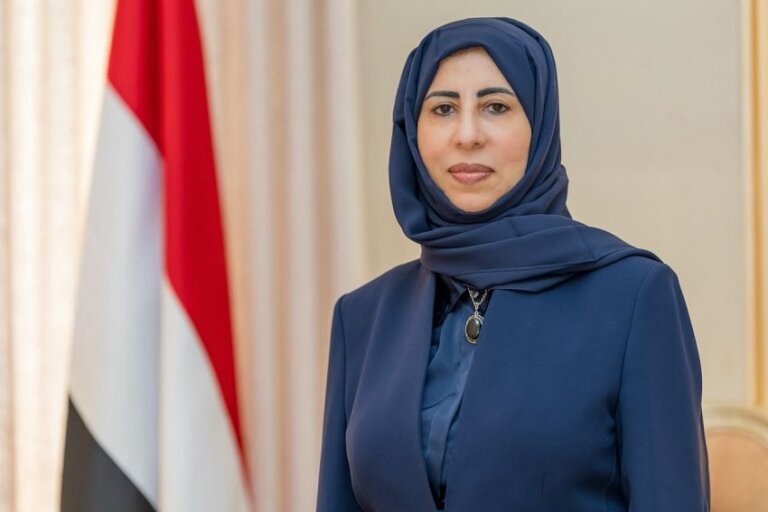
Jamila Ali Raja took the constitutional oath as Yemen’s ambassador extraordinary and plenipotentiary to the United States in April 2026, becoming the first Yemeni woman appointed to the post. The oath was administered before Rashad al-Alimi, chairman of the Presidential Leadership Council, at Yemen’s embassy in Riyadh, a location that says something about where the internationally recognised government still conducts much of its business.
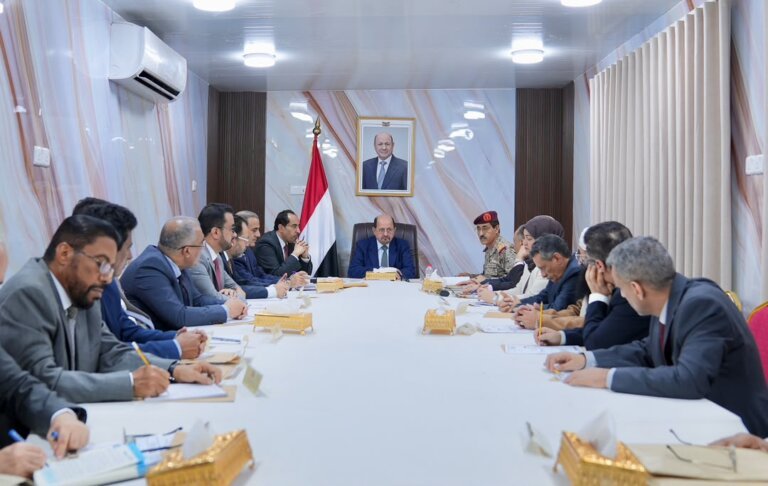
Yemen’s diplomatic apparatus has operated in exile, or in partial exile, for much of the past decade. The Houthi movement’s takeover of Sana’a in 2014 pushed the government first to Aden and then largely to Saudi Arabia. Cabinet meetings and several ministries have since returned to Aden, but senior appointments and formal ceremonies are still frequently held in Riyadh.
Raja came to the post from a background closer to civil society than to the chancery. She had served as deputy head of Yemen’s Consultation and Reconciliation Commission, a body created to widen political representation beyond the parties to the armed conflict, and had held advisory and diplomatic roles before that. Her earlier work concentrated on peacebuilding, women’s participation and youth engagement.
Born in Taiz, she holds a bachelor’s degree in English literature from Cairo University and a master’s in journalism from the American University in Cairo. That profile, a communicator with a record in civil society and unofficial dialogue processes rather than a career foreign service officer, drew attention from Yemeni women’s organisations, several of which issued statements welcoming the nomination.
Supporters read the appointment as an attempt to change the register of Yemen’s advocacy in Washington. The government’s case in the US capital has for years rested heavily on a security framing: Houthi missile and drone capability, Iranian supply lines, and threats to commercial shipping. A representative whose record lies in civilian peacebuilding offers a different entry point to congressional staff and to the policy and aid community, even though the government’s underlying positions did not change with the appointment.
Washington is among the most consequential postings Yemen maintains. The United States is a major donor to the humanitarian response, carries weight on the Security Council file, and has conducted military operations against Houthi targets in response to attacks on shipping. Decisions taken there on designations, sanctions and aid appropriations translate quickly into conditions inside Yemen.
The designation question has been especially consequential. US policy on whether to list the Houthis as a terrorist organisation has shifted more than once, and each change has forced aid agencies to reassess whether they can operate in areas the group controls without exposure to sanctions liability. Yemen’s embassy in Washington has consistently argued for a firmer line, while humanitarian organisations have warned about knock-on effects for commercial imports of food and fuel.
Since taking up the post, Raja presented her credentials to President Donald Trump at a ceremony at the White House, according to Yemen’s foreign ministry, and said she would work to strengthen the partnership between the two governments. Credential ceremonies are formal occasions and rarely produce policy in themselves, but they mark the point from which an ambassador can conduct business in her own name.
The ambassadorship had been vacant or held in an acting capacity for periods during the war, and the post has changed hands several times since 2015. Continuity has been one of the quieter casualties of the conflict: institutional memory in Yemen’s foreign service has thinned as staff moved between capitals.
The practical constraints on the job are considerable. The embassy operates on limited resources, and the government it represents controls neither the capital nor a majority of the population. Much of the diplomatic weight in the Yemen file sits with Saudi Arabia, the United Arab Emirates and Oman, whose channels to the Houthis and to Washington run independently of Yemeni missions.
There is also the question of what the government can offer in exchange for attention. Its leverage has narrowed as the conflict has settled into stalemate, and the composition of the Presidential Leadership Council, which brings together factions with divergent aims including southern separatists, makes it harder to present a single position on what a settlement should eventually look like.
The appointment sat alongside a broader if uneven increase in the number of women in senior Yemeni public roles, a trend advocacy organisations have tracked closely given how sharply women’s formal participation contracted after 2014. In July 2026, Afrah al-Zouba was named minister of foreign affairs and expatriates, the first woman to hold that office.
Yemen’s mission in Washington also carries consular responsibilities for a sizeable Yemeni-American community, concentrated in New York, Michigan and California, whose members have spent years navigating visa restrictions, family reunification cases and the difficulty of moving money to relatives in a country with a fractured banking system. Those files rarely feature in coverage of the ambassadorship, but they account for a substantial share of an embassy’s day-to-day work.
How much any single appointment alters Yemen’s standing in Washington is not something that can be judged from the ceremony. The file competes with a crowded regional agenda, and attention to it has tended to rise and fall with events in the Red Sea rather than with developments inside Yemen. What the appointment did establish is that the government was prepared to put a different kind of representative in its most important foreign posting.
About the Author