

In a recent social media post, U.S. President Donald Trump asserted that the United States does not require the United Kingdom to deploy its aircraft carriers to the Middle East amid the ongoing conflict with Iran. This statement follows an announcement from the UK’s Ministry of Defence indicating that the HMS Prince of Wales, one of its two flagship aircraft carriers, has been placed on “high readiness.”
Trump’s remarks, made on Truth Social, highlighted a perceived shift in the relationship between the two nations. He referred to the UK as a “once great ally” and expressed that the U.S. no longer needs British military support, particularly in light of the ongoing military actions against Iran. His comments come as the U.S. and Israel continue their military operations, which began on February 28, and have resulted in significant casualties, including the deaths of six U.S. service members and over 1,300 individuals in Iran.
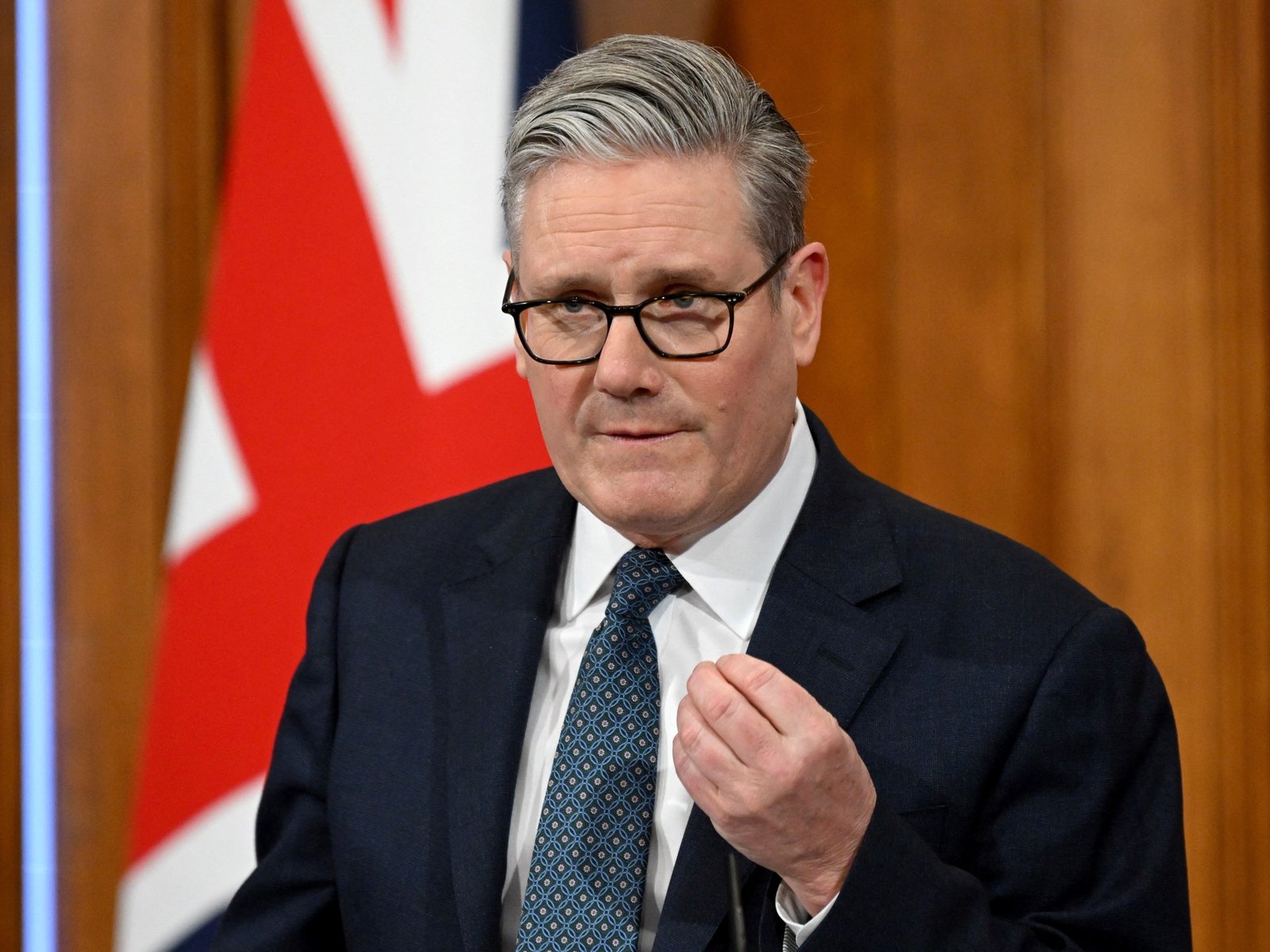
The UK government has recently increased its involvement in the conflict, allowing U.S. forces to utilize British military bases for what it describes as “limited defensive purposes.” This decision has sparked domestic debate, with Prime Minister Keir Starmer emphasizing that the UK will not join the offensive strikes led by the U.S. and Israel. Starmer’s administration has faced criticism from both sides regarding its stance on the conflict, with a recent survey indicating that a majority of the British public finds the war unjustifiable.
Tensions between Trump and Starmer have escalated, particularly following Starmer’s decision to transfer control of the Chagos Islands to Mauritius, a move criticized by Trump as “an act of GREAT STUPIDITY.” The transfer was prompted by a ruling from the International Court of Justice, which deemed the UK’s actions in 1965 unlawful. This development, along with Trump’s previous comments about NATO allies, has contributed to a growing rift between the U.S. and the UK.
As the conflict continues to unfold, the implications of these diplomatic tensions are being closely monitored, particularly in light of the potential impact on military alliances and regional stability in the Middle East.