World Bank Approves $101.8 Million to Boost Yemen’s Nutrition and Livelihoods
 Yemen Herald News
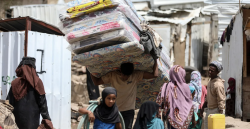
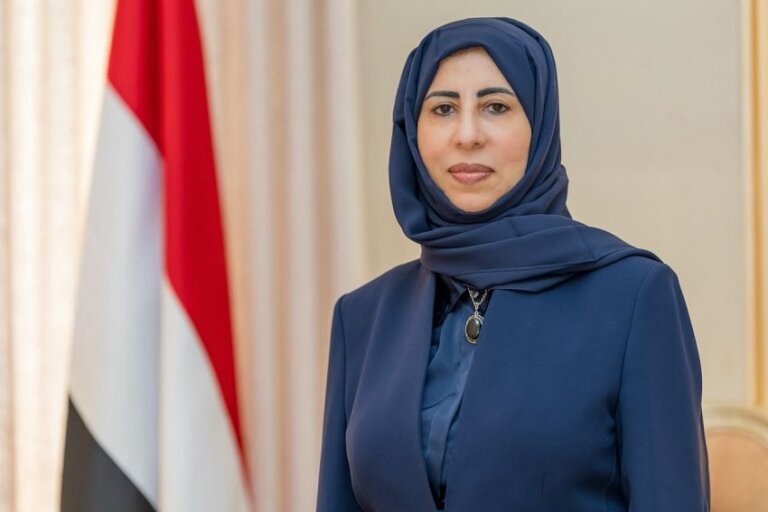
The World Bank has approved a $101.8 million initiative to strengthen nutrition and livelihoods across Yemen, a country enduring one of the world’s most severe humanitarian emergencies. Announcing the decision from Aden, Afrah al-Zouba, Yemen’s Minister of Planning and International Cooperation, said the programme would channel support to the households hit hardest by nearly a decade of conflict, displacement and economic collapse. The funding arrives as roughly 18 million Yemenis, more than half the population, still depend on some form of humanitarian assistance, with millions forced from their homes by fighting and a battered economy.
Known as the “Cash for Nutrition and Livelihoods” project, the operation is financed mainly through a $100 million grant from the International Development Association, the World Bank’s concessional arm for the poorest countries. A further $1.8 million comes from the Yemen Resilience, Recovery and Reconstruction Multi-Donor Trust Fund, which pools contributions from international partners. Together the two sources reflect a coordinated effort to move beyond emergency relief and towards measures that can help Yemen rebuild the foundations of a functioning economy rather than simply managing successive crises.
The project forms part of the World Bank Group’s new Country Partnership Framework for Yemen covering the 2026 to 2030 fiscal years. Titled “Better Livelihoods and More Jobs Amid Fragility,” the framework was approved by the Bank’s board in June 2026 alongside a package of new operations worth about $285 million in total. It sets out three priorities: improving nutrition, expanding access to electricity, and strengthening agribusiness, fisheries and mariculture, sectors seen as central to restoring incomes in a country where formal employment has all but disintegrated.
The nutrition programme sits alongside other operations approved under the same framework, including a separate Health, Nutrition and WASH project worth around $94 million that is expected to reach more than six million people with combined health, water and sanitation services. Taken together, these interlocking efforts point to a deliberate strategy of tackling malnutrition on several fronts at once, recognising that food, clean water, medical care and household income are bound together in Yemen’s wider struggle.
Minister al-Zouba said the framework was designed to improve food security and lift the economic prospects of ordinary Yemenis. She stressed that the new approach aims to shift the international response away from repeated short-term aid and towards building durable institutions capable of sustaining services over time. That transition, she argued, is essential if Yemen is to reduce its long-term dependence on emergency handouts and begin to stand on its own footing after years of externally funded relief.
The Cash for Nutrition and Livelihoods project is aimed squarely at the most vulnerable households, prioritising families headed by pregnant women, breastfeeding mothers and caregivers looking after children under the age of two. These groups are among the most exposed to malnutrition, which has surged during the war and threatens the long-term health and development of a generation of Yemeni children. By combining cash transfers with nutrition support, the programme is intended to ensure that assistance reaches those least able to cope and is used where it is needed most.
Beyond immediate nutrition, the initiative offers pathways to more stable incomes through community-based savings and lending schemes. These are designed to encourage economic participation in a country where unemployment has soared and where many young people struggle to find work. The project also seeks to create small-scale digital employment opportunities for younger Yemenis, part of an effort to open new sources of income in an economy starved of investment and opportunity after years of fragmentation and currency turmoil.
Strengthening the systems that deliver social protection is another central objective. The programme intends to expand digital payment mechanisms and widen access to civil documentation, helping more Yemenis register for assistance, obtain services and interact with government support structures. In a country where damaged institutions and missing paperwork often prevent people from receiving aid, such measures could make the difference between families being reached or left behind by the support meant to help them.
The broader World Bank engagement underscores how heavily Yemen still relies on external partners. Since re-engaging with the country in 2016, the International Development Association has provided more than $3.9 billion in grants, much of it delivered in partnership with United Nations agencies to keep essential services running. The scale of that commitment reflects both the depth of Yemen’s needs and the recognition that recovery will require sustained, long-term investment rather than one-off interventions that fade once headlines move elsewhere.
For Yemeni officials, the value of the new project lies not only in the money but in the message it sends about the country’s trajectory. By linking humanitarian relief with jobs, institutions and economic reform, the programme signals an attempt to chart a path from crisis management towards genuine reconstruction. Whether that ambition can be realised will depend on continued security, donor follow-through and the capacity of local institutions to deliver assistance transparently to the people who need it.
For now, the announcement offers a measure of cautious optimism in a country long defined by hardship. Millions of Yemenis remain in urgent need, and the challenges facing any recovery effort are immense. Yet a programme that pairs food security with livelihoods and stronger institutions represents the comprehensive approach aid agencies have long urged. If sustained, initiatives like the Cash for Nutrition and Livelihoods project could help move Yemen towards a more stable, self-reliant future.
About the Author