Yemen and Morocco Forge Aviation Alliance: A Strategic Move in Regional Cooperation
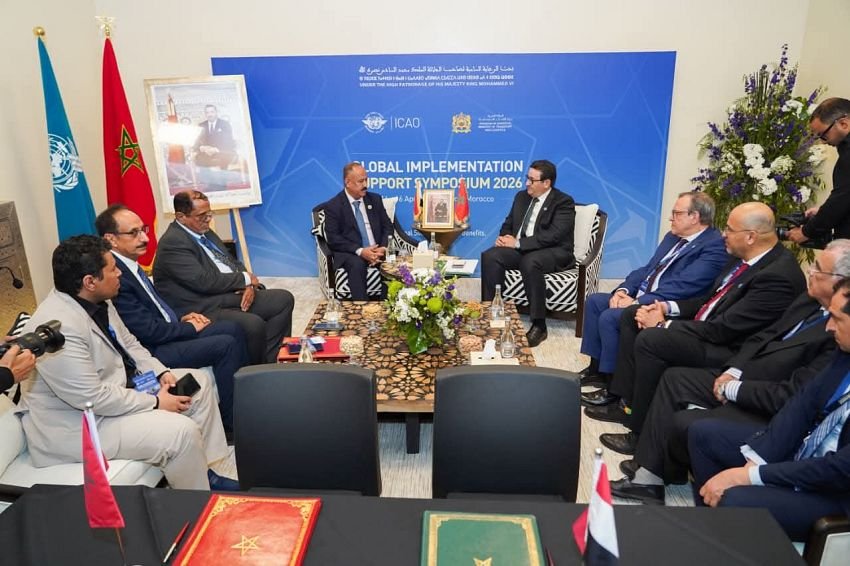
The recent signing of a comprehensive technical cooperation agreement in civil aviation between Yemen and Morocco marks a pivotal moment in the geopolitical landscape of the Middle East and North Africa (MENA) region. This partnership not only signifies a commitment to enhancing aviation safety and efficiency but also reflects broader trends of regional collaboration amidst ongoing challenges.
The MENA region has long been characterized by its complex geopolitical dynamics, with various nations navigating a landscape shaped by historical rivalries, economic disparities, and security concerns. Yemen, embroiled in a protracted civil war since 2015, has faced significant challenges in rebuilding its infrastructure and governance systems. Conversely, Morocco has positioned itself as a stable and progressive nation, leveraging its strategic location and relatively robust economy to foster regional partnerships. The recent agreement between these two nations is not merely a bilateral initiative; it is a reflection of a growing recognition among Arab states of the need for cooperation in critical sectors such as aviation, which can catalyze economic recovery and integration.
The agreement, signed by Yemen’s Minister of Transport, Mohsen al-Amri, and Morocco’s Minister of Transport and Logistics, Abdessamad Kayouah, encompasses a wide array of cooperative measures. These include the exchange of expertise in civil aviation safety and security, legal frameworks governing air navigation, and the negotiation of air service agreements. Notably, the agreement also emphasizes the development of human resources through training programs and study visits, which are essential for Yemen as it seeks to revitalize its aviation sector. The establishment of a joint follow-up committee to oversee the implementation of these initiatives underscores the commitment of both nations to ensure the agreement’s success. This committee will facilitate ongoing dialogue and evaluation, with meetings alternating between Aden and Rabat, further solidifying the partnership.
The implications of this agreement extend far beyond the immediate benefits of enhanced aviation capabilities. Politically, it represents a significant step towards Arab unity, as countries in the region increasingly recognize the importance of collaboration in addressing shared challenges. Economically, the revitalization of Yemen’s aviation sector could stimulate growth, attract foreign investment, and create jobs, which are desperately needed in a country suffering from one of the world’s worst humanitarian crises. Furthermore, the focus on public-private partnerships within the aviation sector could lead to innovative solutions and increased efficiency, positioning both nations as key players in the regional aviation market. Security-wise, improved aviation safety and infrastructure can enhance regional stability by fostering greater connectivity and cooperation among Arab states.
The agreement is emblematic of a broader strategic shift in the MENA region, where nations are increasingly looking to bolster their ties in the face of external pressures and internal challenges. The collaboration between Yemen and Morocco could serve as a model for other Arab nations, demonstrating the potential for collective action in addressing common issues. However, this partnership is not without risks. Yemen’s ongoing conflict poses significant challenges to the successful implementation of the agreement, and Morocco must navigate its own domestic and regional pressures as it extends its support. Additionally, the geopolitical landscape is fraught with uncertainty, with external actors often influencing regional dynamics. The success of this agreement will depend on the ability of both nations to maintain focus on their shared goals while managing these complexities.
Looking ahead, the success of the Yemen-Morocco aviation agreement will hinge on several factors. Firstly, the establishment of the joint follow-up committee will be crucial in ensuring that the initiatives outlined in the agreement are effectively implemented. Regular assessments and adjustments will be necessary to adapt to any challenges that arise. Secondly, both nations must prioritize the development of their respective aviation infrastructures, which will require significant investment and commitment. As Yemen seeks to rebuild its war-torn economy, international support and investment will be vital. Lastly, the broader geopolitical context will play a critical role in shaping the future of this partnership. As regional dynamics evolve, Yemen and Morocco must remain agile and responsive to external influences that could impact their collaboration.
The signing of the comprehensive technical cooperation agreement in civil aviation between Yemen and Morocco is a significant development in the MENA region, highlighting the potential for cooperation amidst adversity. This partnership not only aims to enhance aviation safety and efficiency but also serves as a beacon of hope for regional integration and stability. As both nations embark on this journey, their success will depend on their ability to navigate the complexities of their respective contexts while remaining committed to their shared vision. The stakes are high, and the outcomes of this agreement could have far-reaching implications for the future of civil aviation and regional cooperation in the Arab world.
About the Author