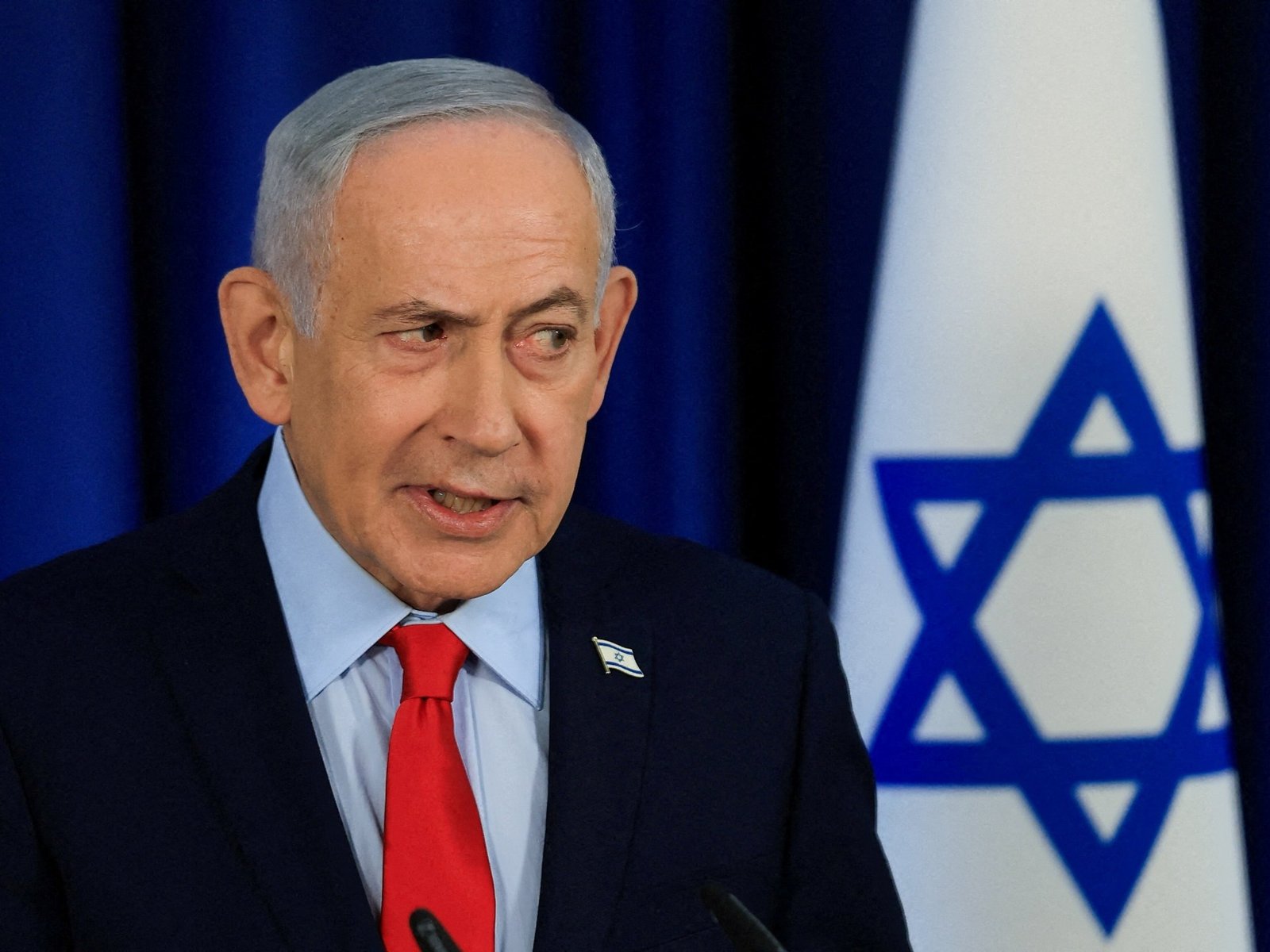
The current Israeli military operation in Lebanon represents not just a strategic maneuver against Hezbollah but a crucial political lifeline for Prime Minister Benjamin Netanyahu. As Israel grapples with failures on multiple fronts, Lebanon emerges as a battleground where Netanyahu seeks to reclaim a narrative of victory amidst growing domestic discontent.
Israel’s complex relationship with Lebanon has been marred by decades of conflict, primarily centered around Hezbollah, a formidable adversary that has evolved since its inception in the early 1980s. The Israeli military’s historical incursions into Lebanon, particularly the prolonged occupation from 1982 to 2000, have left deep scars and a legacy of animosity. The current geopolitical landscape is characterized by a weakened Lebanese state, plagued by sectarian strife and economic collapse, which Israel perceives as an opportunity to exert military pressure. The backdrop of this conflict is further complicated by Iran’s influence in the region, as Hezbollah remains a key ally of Tehran, complicating Israel’s security calculus.
Recent escalations have seen Israel intensifying its military operations in southern Lebanon, aiming to dismantle Hezbollah’s military infrastructure. The Israeli Defense Forces (IDF) have launched targeted strikes, claiming to neutralize threats to northern Israeli communities. But these actions are not merely tactical; they are deeply intertwined with Netanyahu’s political ambitions. The Prime Minister’s government has faced mounting criticism for its inability to secure a decisive victory against Hamas in Gaza and to effectively counter Iranian influence. As the Israeli public grows weary of ongoing conflicts, Netanyahu’s focus on Lebanon represents a strategic pivot aimed at restoring his credibility as a leader capable of ensuring national security.
The ramifications of Israel’s military actions in Lebanon extend beyond immediate military objectives. Politically, Netanyahu’s government is under pressure to deliver tangible results. The narrative of a successful campaign against Hezbollah could serve to galvanize support among a populace increasingly disillusioned by the protracted nature of the conflict in Gaza. Economically, the ongoing instability in Lebanon exacerbates the humanitarian crisis, with potential spillover effects on Israel’s own security and economic interests. The international community’s response remains tepid, as global powers are preoccupied with other geopolitical challenges, allowing Israel to operate with relative impunity. However, the risk of escalation into a broader regional conflict looms large, particularly if Hezbollah retaliates decisively.
Netanyahu’s strategy appears to hinge on the notion that a decisive military victory in Lebanon could restore his political fortunes. However, this approach is fraught with risks. The potential for civilian casualties and widespread destruction could ignite international condemnation and further isolate Israel diplomatically. Moreover, the assumption that military might can achieve political ends overlooks the complex realities of Lebanese society, where sectarian divisions and historical grievances run deep. The Israeli military’s tactics, which seem to prioritize the destruction of Shia villages, risk alienating not only Hezbollah but also the broader Lebanese population, potentially fostering a new generation of resistance against Israeli actions.
Looking ahead, several scenarios could unfold. If Netanyahu’s military campaign succeeds in significantly degrading Hezbollah’s capabilities, it may bolster his position domestically and provide a temporary sense of security for northern Israeli communities. However, such a victory could be pyrrhic, leading to increased animosity and a potential resurgence of hostilities in the future. Conversely, if the campaign falters or results in high civilian casualties, Netanyahu risks facing severe backlash both at home and abroad, potentially destabilizing his government. The international community’s response will also be critical; should it choose to intervene or apply pressure, Israel may find itself increasingly isolated on the global stage.
In conclusion, Netanyahu’s focus on Lebanon as a theater for military engagement is a reflection of his desperate need for political capital in a time of crisis. While the immediate goal may be to neutralize Hezbollah as a threat, the broader implications of this strategy could have far-reaching consequences for Israel’s regional standing and internal cohesion. As the situation evolves, observers must recognize that the stakes extend beyond military victories; they encompass the very fabric of Israeli society and its relationship with its neighbors.
About the Author