Yemen condemns Iranian missile and drone attacks on Jordan and the UAE
 Yemen Herald News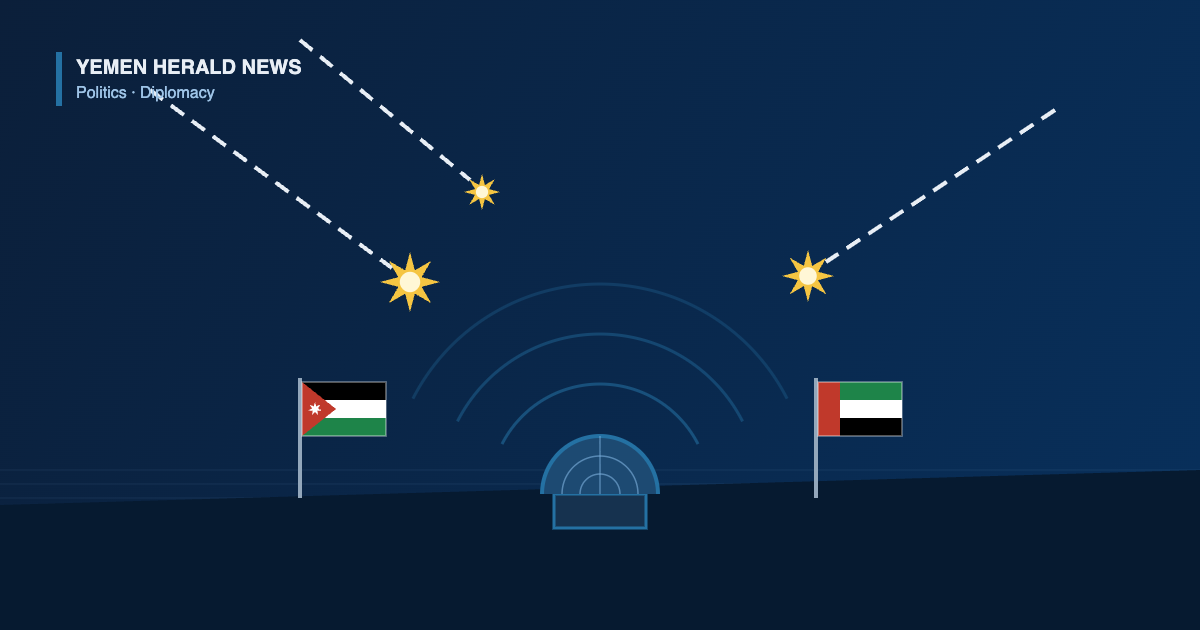
ADEN, Yemen — Yemen’s foreign ministry condemned Iranian missile and drone attacks on Jordan and the United Arab Emirates, calling them a violation of both countries’ sovereignty.
The Ministry of Foreign Affairs and Expatriates issued the statement on Aug. 31, the Yemeni state news agency Saba reported.
Iran targeted the Hashemite Kingdom of Jordan with missiles and the United Arab Emirates with a drone, the ministry said.
It described the attacks as a flagrant violation of the sovereignty of the two countries, according to Saba.
The ministry called them a breach of international law and of the Charter of the United Nations, and an escalation that threatens the security and stability of the region.
It reaffirmed what it called Yemen’s full solidarity with Jordan and the United Arab Emirates.
Yemen supports all measures the two countries take to protect their sovereignty, security and territorial integrity, the statement said.
Jordan’s state news agency, Petra, carried the Yemeni condemnation. The statement was distributed through Yemen’s embassy in Amman.
The attacks followed a United States airstrike on Iranian missile launchers on Larak Island, in the Strait of Hormuz, on Aug. 30.
Larak Island is an Iran-controlled islet southeast of Qeshm. U.S. officials said Iran had been preparing to fire rockets carrying sea mines into the strait.
Iranian officials said two people were killed and several others wounded in that strike.
The Islamic Revolutionary Guard Corps said it fired ballistic missiles at King Hussein Air Base and Al-Azraq Air Base in Jordan in response. Both host United States personnel and equipment.
The Guard Corps said the strikes destroyed technical and maintenance infrastructure and sites used to position fighter aircraft. Yemen Herald could not independently verify that damage claim.
Jordan’s armed forces said they intercepted eight incoming ballistic missiles. They said the missiles were destroyed before they could threaten civilians or property.
A U.S. official cited by international media said there had been no substantial impact, and that nearly all the missiles were brought down.
The United Arab Emirates said it intercepted an Iranian drone over its territorial waters the same day. Emirati authorities rejected as false the reports that Al Minhad Air Base, south of Dubai, had been struck.
Jordan’s foreign ministry summoned the Iranian envoy in Amman and delivered a protest, calling the attacks a violation of sovereignty and of international law.
The Emirati foreign ministry summoned the Iranian envoy in Abu Dhabi and protested in similar terms.
It was the first direct exchange between Iran and the United States in several weeks.
A senior Iranian official told Reuters that Tehran would answer any further U.S. strike with a response “dozens of times greater.”
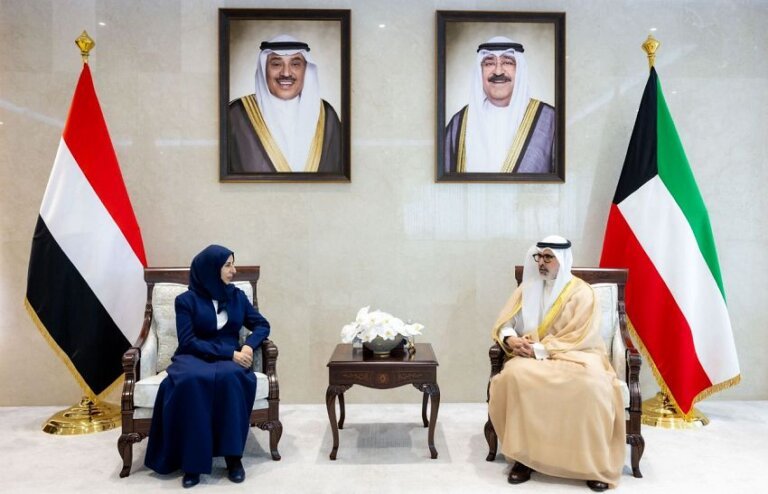
Qatar condemned the attacks on Jordan and the UAE. The Emirati foreign ministry issued comparable statements in July over attacks it attributed to Iran on Bahrain, Kuwait and Jordan.
The Emirati statements were issued on July 14 and July 19. One of them also covered attacks on the Kurdistan Region of Iraq.
Gulf states have been struck earlier in the war. Euronews reported multiple blasts in Dubai during an Iranian missile and drone attack on March 31.
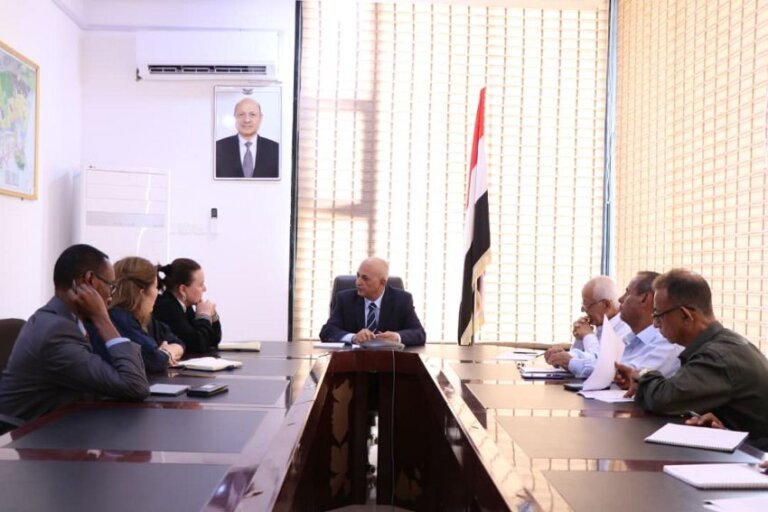
Yemen’s foreign ministry sits within the internationally recognised government, which is based in Aden. The Houthi movement controls Sanaa and much of the north.
That government accuses Iran of arming and directing the Houthis. Tehran denies supplying weapons to the group.
The condemnation follows several weeks of Yemeni statements on the wider confrontation between Iran and the United States.
The Presidential Leadership Council ordered the country’s military, security and intelligence services to their highest readiness level at a meeting on Aug. 26, Saba reported. Rashad al-Alimi, the council’s chairman, presided.
Prime Minister Shaya al-Zindani told the Saudi newspaper Asharq Al-Awsat, in an interview published Aug. 25, that his government would not let the country remain an open arena for a cross-border project.
Al-Zindani said peace could not substitute for the state, and that it followed from the state’s restoration.
The war between Iran and the United States is in its sixth month. Reporting on the conflict has described a widening toll on two shipping routes at once, the Strait of Hormuz and Bab al-Mandab.
Bab al-Mandab lies off Yemen’s southwestern coast, at the southern entrance to the Red Sea.
In Yemen, a United Nations-backed truce agreed in 2022 has collapsed. Its breakdown followed a Saudi airstrike on the runway at Sanaa airport on July 13, which prevented an Iranian flight carrying a Houthi delegation from landing.
Houthi forces have since stepped up attacks on government positions, on Saudi oil facilities and on shipping. Saudi Arabia backs Yemen’s internationally recognised government.
Six people were killed aboard a cargo ship attacked in the Bab al-Mandab Strait on Aug. 12, Yemen’s government said. It was the first reported death toll from an attack on Red Sea shipping in more than a year.
The Houthis have described their campaign as tied to the war in Gaza.
The United Arab Emirates has supported southern Yemeni forces, including the Southern Transitional Council, which holds seats on the Presidential Leadership Council.
Yemen’s foreign ministry is headed by Afrah al-Zouba. King Hussein Air Base lies in northeastern Jordan, and Al-Azraq Air Base sits east of Amman.
About the Author